Have you ever paused to reflect on how the UAE has evolved from humble fishing villages to a thriving global metropolis?
The Etihad Museum in Dubai offers a captivating glimpse into this remarkable transformation, highlighting pivotal events such as the signing of the constitution in 1971.
For those who call Dubai home, the stories of the seven founding Sheikhs resonate deeply, reflecting our shared heritage and daily experiences.
This museum isn’t just a collection of artifacts; it’s a living narrative that connects us to our past while shaping our future.
As someone who has explored the intricacies of this dynamic city, I assure you that the insights gleaned from the Etihad Museum are both enlightening and enriching.
Join me as we delve into the museum’s offerings, ensuring that you leave with a deeper understanding of the UAE’s modern history, one that every Dubai resident can appreciate and relate to.
A Short History of the UAE
When considering life in the United Arab Emirates, particularly in Dubai, it’s essential to recognize the evolution of the city from its historical roots to its present-day status as a global hub. The transformation began with the discovery of oil in the 1950s, which catalyzed unprecedented economic growth and urban development. For newcomers, understanding this history provides context for the luxurious lifestyle and rapid advancements you experience today.
The unification of the seven emirates in 1971 marked a pivotal moment in the UAE’s history, as it established a cohesive national identity while allowing each emirate to retain its unique characteristics. For current residents, exploring the distinct offerings of each emirate, such as the cultural richness of Sharjah or the natural beauty of Fujairah, can enhance your appreciation of the diverse lifestyle options available within the country.
As you navigate life in Dubai, consider how the emirate’s past informs its present. This understanding not only enriches your experience but also fosters a deeper connection to the community and culture that make Dubai a remarkable place to live. Additionally, visiting Etihad Museum allows you to immerse yourself in the UAE’s formation story through its stunning architecture and interactive exhibits.
The Etihad Museum – What’s Inside
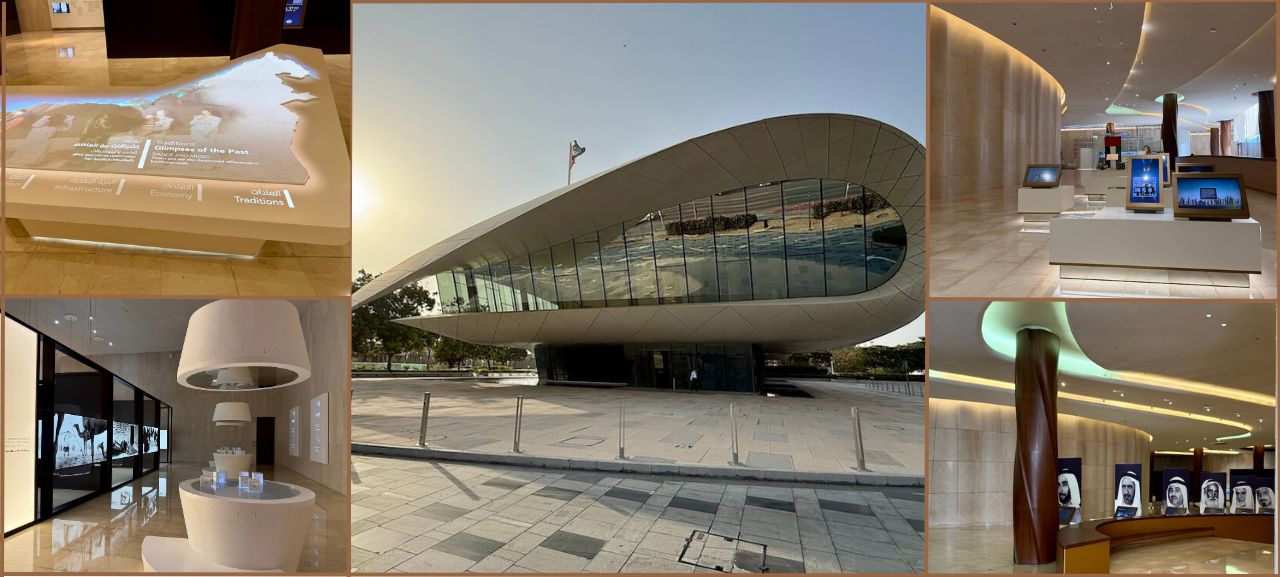
Exploring the Etihad Museum offers a profound insight into the evolution of the UAE, making it an essential visit for both current residents and newcomers. The museum’s architecture, characterized by a striking white roof reminiscent of a folded manuscript, not only captures the eye but also symbolizes the rich narrative of the nation’s history.
As you enter the Founding Father’s Hall, you are introduced to the seven Sheikhs whose leadership was instrumental in the nation’s formation. This hall serves as a poignant reminder of the collaborative efforts that led to the UAE’s unification in 1971. The experience is further enriched as you navigate through interactive pavilions filled with artifacts and documentary films that chronicle the UAE’s transformation from the discovery of oil in the 1950s to its current status as a global hub. Additionally, visiting during Dubai Shopping Festival can enhance your experience with unique cultural events and activities surrounding the museum.
For residents, the stories and milestones presented at the museum resonate on a personal level, highlighting the cultural heritage that shapes daily life in Dubai. Engaging with these narratives not only enhances your understanding of the past but also deepens your connection to the community. Don’t miss the opportunity to explore this historical treasure, as it cultivates a shared appreciation for the UAE’s journey.
Union House & Flag Pole
Union House is a pivotal landmark in UAE history, representing the location where the constitution was signed in 1971. For Dubai residents, this site serves as a reminder of the nation’s journey towards unity and progress. While its modest round structure might not attract every visitor, understanding its historical significance provides insight into the foundations of modern Dubai, and why such locations matter in our fast-paced urban environment.
Adjacent to Union House is the striking 123-meter-tall flagpole that proudly displays the UAE flag, a symbol of national pride and unity. For both newcomers and long-term residents, standing beneath this flag can evoke a sense of connection to the country’s values and aspirations. It’s an experience that reinforces the importance of recognizing and appreciating the cultural symbols that define our identity as residents of the UAE. During Ramadan, this sense of community and shared values is especially pronounced, as it highlights the city’s cultural nuances that visitors should navigate to show respect for local traditions.
As you explore Union House, consider joining one of the free tours that are occasionally offered. These tours can deepen your understanding of the UAE’s historical context, making them particularly valuable for newcomers looking to integrate into Dubai’s rich tapestry. Even long-term residents can benefit from revisiting this landmark, as it fosters a renewed appreciation for the collective history that shapes our lives in this vibrant city.
Etihad Museum Entry Costs
Exploring the Etihad Museum offers a rich dive into the history of the UAE without straining your budget, making it an ideal family outing for both long-term residents and newcomers. With entry fees set at 25 AED for adults and 20 AED per person for groups, it’s a cost-effective way to engage with the country’s cultural heritage. Students aged 5 to 24 can enjoy a discounted rate of just 10 AED, ensuring that educational experiences are accessible to younger generations.
For families, the museum presents an appealing option: children under 5 and individuals of determination can enter free of charge. This inclusivity means that you can bring the entire family to discover the stories of the UAE’s founding fathers, enhancing your understanding of the nation’s evolution. Interactive exhibits cater to various age groups, making history both engaging and informative. Additionally, understanding the local culture and customs can greatly enrich your visit, allowing you to appreciate the context behind the exhibits.
For current residents, a visit to the Etihad Museum can serve as a refreshing reminder of the UAE’s journey, providing context for the rapid development experienced in Dubai. It’s a chance to connect with the past while living in a city that continuously shapes the future. So, whether you’re a family or an individual, planning a trip to this museum is both an enriching and economical experience.
Best Time to Visit Etihad Museum
Exploring the Etihad Museum is a rewarding experience for both newcomers and long-term residents of Dubai, particularly if you time your visit wisely. The museum operates from 10:00 AM to 8:00 PM, making it accessible for a variety of schedules. Although it’s typically a tranquil setting, it’s advisable to avoid mornings during school term time, as excited groups of students often populate the space until around 2:00 PM. This timing can significantly enhance your visit, allowing you to appreciate the exhibits without the distraction of larger crowds.
For those interested in a more immersive experience, consider joining the daily guided tours available at 12:00 PM and 5:00 PM. These tours provide rich narratives that bring the museum’s stories to life, making your visit not just educational but also engaging. Additionally, keep an eye out for special events or VIP visits that may affect visitor traffic; being aware of such happenings can help you plan your trip better. Overall, dedicating a couple of hours on a weekday to explore this hidden gem is an excellent way to dive deep into the cultural history of the UAE. You might also want to explore nearby outdoor activities that complement your museum visit, offering a chance to engage with Dubai’s vibrant culture and landscape.
How to Get to Etihad Museum
Getting to the Etihad Museum is a straightforward task that can enhance your understanding of Dubai’s historical landscape. Located in the Port Rashid area, just off Jumeirah Road and near the conclusion of 2 December Street, the museum is easily accessible but may not be on the typical tourist route. For residents or newcomers, it’s beneficial to note that taxis are readily available, and most drivers will recognize the museum by its alternate name, Union House. This local knowledge can save you time and ensure a seamless journey.
For those who enjoy public transport, consider taking the Dubai Metro to the nearest station and then catching a taxi for the final leg of your trip. This approach not only adds a layer of adventure but also allows for a brief glimpse of Dubai’s urban landscape. As you approach the museum, the eye-catching architecture makes it difficult to miss. Upon arrival, you’ll be welcomed by a stunning building that serves as a gateway to the rich history of the UAE, making the journey worthwhile. Additionally, utilizing the Dubai Metro system can enhance your travel experience by providing an efficient way to navigate the city. Whether you’re a long-term resident or a newcomer, the museum provides a valuable perspective on the nation’s heritage.