Converting a visitor’s visa to a residence visa can seem daunting, but with the right knowledge and guidance, it can be a smooth transition. Over the years, I’ve navigated this process and witnessed how crucial it is to be well-informed about the nuances involved.
In this post, I’ll share actionable insights and practical tips that will empower you to make this change confidently. Whether you’re looking to work, study, or simply enjoy more of what Dubai has to offer, rest assured that you’re not alone in this journey.
Let’s delve into the specifics of converting your visa and unlocking the opportunities that await you in this incredible city.
What is a Visit Visa?
A visit visa serves as an entry point for those wishing to experience the diverse culture and attractions of the UAE, particularly Dubai. This visa allows for a temporary stay of either 30 or 60 days, commencing from your arrival date. For Dubai residents contemplating a visit from friends or family, understanding the nuances of this visa can help facilitate smoother travel plans.
Securing a visit visa requires a local sponsor, such as a hotel or a travel agency, which simplifies the process for potential visitors. It’s important to note that this visa is strictly for tourism; holders are prohibited from engaging in any form of employment. This restriction can impact the plans of those hoping to explore job opportunities during their visit.
For current residents, it’s useful to know that the visit visa can be issued in both hardcopy and softcopy formats, offering flexibility. Moreover, it’s advisable to communicate the limitations of this visa to your guests, ensuring they are prepared for an enriching yet work-free experience in Dubai. Additionally, visitors should be aware of the specific requirements necessary for obtaining a visa to ensure compliance with UAE regulations.
What is a Residence Visa?
Living in the UAE is not just about the sun and skyscrapers; obtaining a residence visa is a pivotal step for long-term stability and growth. This visa allows you to stay in the country for an extended period, typically ranging from one to three years, depending on your sponsor, which can be your employer, spouse, or a family member. Understanding the nuances of sponsorship is crucial—employment-sponsored visas often come with specific terms related to job continuity, while family-sponsored visas offer more flexibility.
Once you secure your residence visa, you unlock a variety of essential services that enhance your quality of life. For instance, you can apply for a UAE driver’s license, which is often necessary due to the limited public transport options in many areas. Additionally, access to healthcare services becomes available, enabling you to enroll in health insurance plans that are mandatory for residents. This also includes the ability to enroll your children in schools, a vital consideration for families planning to settle in Dubai. Moreover, having a residence visa provides you the freedom to travel without the fear of overstaying your welcome. However, it’s important to note that you’ll need to undergo a medical test and a security clearance as part of the application process. This step is essential, as it ensures compliance with the UAE’s health and safety standards, ultimately contributing to a secure living environment. While the process can seem daunting, the advantages of establishing a life in Dubai—building networks, pursuing professional ambitions, and enjoying a culturally vibrant lifestyle—make it a worthwhile endeavor. Additionally, obtaining a residence visa allows you to meet the medical fitness assessment requirements needed to apply for a driving license in the UAE.
What is the Difference Between a Visit Visa and a Residence Visa?
Understanding the distinction between a visit visa and a residence visa is crucial for both current Dubai residents and those planning a move to the UAE. A visit visa is designed for short stays, typically ranging from 30 to 60 days, making it ideal for tourism or brief family visits. However, this visa does not permit employment, which can be a significant drawback if you’re considering job opportunities while in the country.
In contrast, a residence visa enables you to establish a long-term presence in Dubai, generally valid for 1 to 3 years. This visa not only allows you to work legally but also grants access to essential services such as a driver’s license and healthcare. Moreover, if you arrive on a visit visa and decide to extend your stay, you can convert it to a residence visa without exiting the UAE, providing a seamless transition for those contemplating a longer commitment to life in Dubai. By understanding these differences, both newcomers and established residents can make informed decisions that align with their goals in the city. Additionally, it is important to be aware of banking regulations that may affect your financial management while living in the UAE.
Benefits of Having a Residence Visa in UAE
Having a residence visa in the UAE is a crucial step for anyone looking to fully integrate into life here, offering numerous benefits that enhance your everyday experience. One major advantage is the ability to obtain a UAE driver’s license, which not only facilitates personal mobility but also allows you to explore the diverse attractions of the emirates at your own pace. This freedom is invaluable for both newcomers and long-term residents who wish to discover hidden gems beyond the usual tourist spots.
Another significant benefit is access to health insurance and government medical facilities. With a residence visa, you’re eligible for various health plans that can significantly reduce your medical expenses. This is particularly important in a city where healthcare can be costly, allowing you to prioritize your health without financial strain. Additionally, residents are protected under the Mandatory Medical Insurance Law, ensuring they receive essential health benefits.
For families, a residence visa opens up educational opportunities as well. You can enroll your children in reputable private or public schools, ensuring they receive a high-quality education tailored to their needs. This aspect is critical for expatriates investing in their children’s future in Dubai.
What are the Eligibility Criteria for a UAE Residence Visa?
Understanding the eligibility criteria for a UAE residence visa is essential for both newcomers and long-term residents looking to navigate their residency status. One primary pathway is through employment; securing a job with a UAE-based employer is a straightforward route. Employers typically sponsor your visa, ensuring that your transition to life in Dubai is smoother.
Education is another significant avenue; if you’re enrolled in a local school or university, you can apply for a student residence visa. This option not only grants you legal residency but also allows you to immerse yourself in the vibrant educational environment that Dubai offers.
Moreover, being a dependent of a UAE citizen or expatriate is a viable option. Spouses, children, or even parents can be sponsored for residency, fostering family unity in this cosmopolitan city. Lastly, investments in property or businesses can also qualify you for a residence visa. Owning real estate in areas like Dubai Marina or Downtown can present both lifestyle and investment advantages. Additionally, business investments in the UAE can also lead to residency, expanding your options for long-term settlement.
What are the Documents Needed?
Gathering the necessary documents for your UAE residence visa application is crucial for both newcomers and long-term residents navigating the process. Start with a completed UAE visa application form and your original passport, as these are foundational. It’s also essential to have a few colored passport photos taken against a white background, which meet the UAE’s specific requirements. If you’re currently on a visit visa, ensure that it is readily accessible, as it will be needed for your application.
For those being sponsored—whether by an employer or a family member—proof of their legal residency or citizenship is required. If applying for a work-related residence visa, include your employment contract along with the company’s trade license to demonstrate your professional ties in Dubai. In cases of family sponsorship, provide attested documents proving your relationship, such as marriage or birth certificates, to avoid delays. Additionally, ensure that all educational qualifications are properly validated through MoE attestation, as this may be necessary for certain visa categories.
While it may seem daunting to collect all these documents, being organized from the outset will facilitate a smoother application process. This preparation not only streamlines your residency journey but also enhances your understanding of the bureaucratic landscape in Dubai.
What is the Procedure?
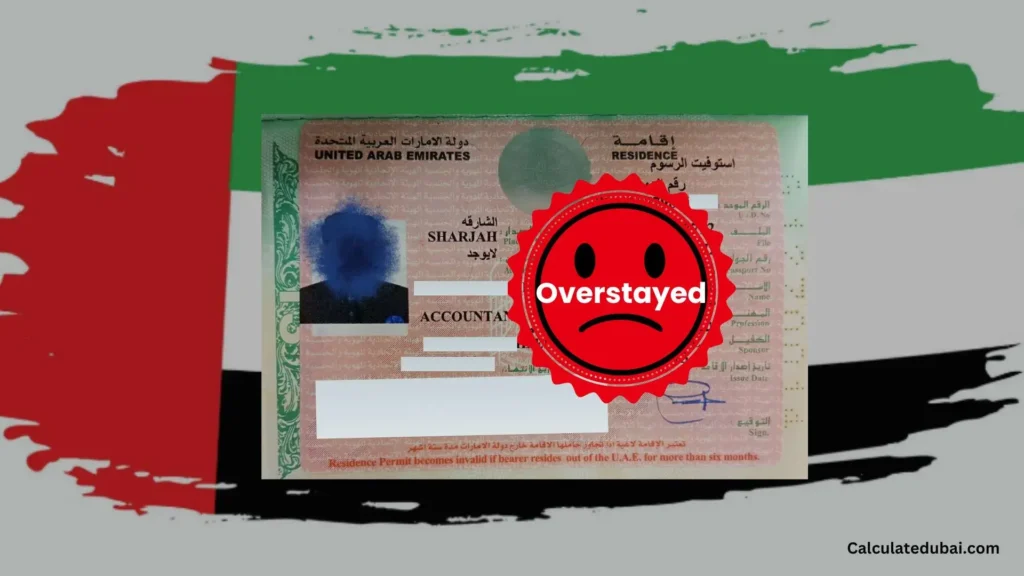
Converting your visit visa into a residence visa in the UAE is a critical step for newcomers aiming to establish their life in Dubai. This process is straightforward yet requires timely action, especially during the grace period of your visit visa. Begin by submitting your residence visa application promptly, as delays can lead to overstaying your visa, which can have serious repercussions.
Once your application is in process, you must undergo a medical test, a standard requirement that assesses your health and fitness for residency. This step is crucial since it not only confirms your eligibility but also helps you clear a vital security check, ensuring you meet the stringent regulations set by UAE authorities. Additionally, understanding the different types of visa categories available can help you choose the best option for your long-term stay.
Upon successful completion of these steps, you will receive your residence visa and Emirates ID, which will officially mark your status as a resident in the UAE. Having your employer sponsor your visa can streamline this process, especially if you’ve secured employment. Embracing this new chapter allows you to enjoy the myriad opportunities Dubai offers, from career advancements to enriching experiences in a culturally diverse environment.