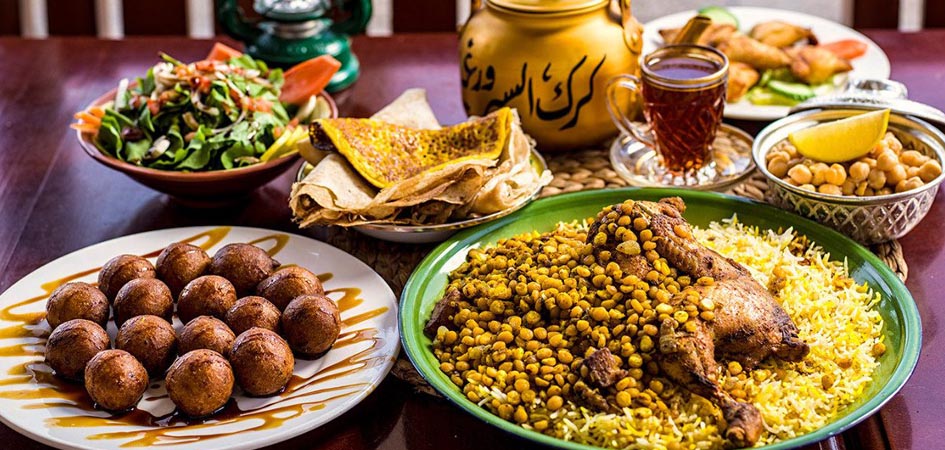
Exploring traditional Emirati cuisine is not just about satisfying hunger; it’s an opportunity for Dubai residents to connect with the rich cultural tapestry that defines the UAE. For those new to the city, beginning your culinary journey with dishes like Luqaimat and Harees provides a deeper understanding of local customs and flavors. Luqaimat, sweet dumplings drizzled with date syrup, are often served during Ramadan, making them a seasonal delicacy that reflects the community spirit. Harees, on the other hand, is a hearty wheat and meat dish often enjoyed during festive occasions, highlighting the importance of family and togetherness in Emirati culture.
For long-term residents, diving into the nuances of these dishes can elevate your culinary appreciation.
Consider the differences in preparation methods across various regions—some may use a slow-cooking technique for Harees that results in a creamier texture, while others might focus on spices that change the flavor profile significantly.
Additionally, visiting local eateries that specialize in these traditional dishes can enhance your understanding of how they are intertwined with the heritage of the UAE.
Engaging with the stories behind each dish not only enriches your dining experience but also fosters connections within the community.
Arabic Coffee (Gahwa)
When considering the essence of Emirati culture, the warm aroma of Arabic coffee, or Gahwa, stands out as a key cultural touchstone for Dubai residents. Unlike typical coffee, Gahwa is steeped in tradition and serves as a symbol of hospitality, making it a fundamental aspect of social interactions in the UAE. When invited to a friend’s home, you can expect to be greeted with a steaming cup of Gahwa, typically served in small, ornate cups that reflect the rich cultural heritage of the region.
The preparation of Gahwa is unique; it is often brewed with cardamom, which not only enhances its flavor but also signifies the importance of spices in Emirati culinary traditions. For those new to Dubai, learning how to prepare and serve Gahwa can be a meaningful way to connect with local customs. Current residents might explore variations in preparation methods or regional differences, enhancing their appreciation for this beloved beverage.
As you enjoy Gahwa, remember that it represents more than just a drink; it embodies the spirit of tradition and friendship that has been cherished for generations. Whether you are a newcomer looking to immerse yourself in local customs or a long-term resident seeking a deeper understanding, Gahwa offers an authentic taste of Emirati life.
Luqaimat / Luqaymat
Luqaimat, often referred to as Luqaymat, is a quintessential Emirati dessert that embodies the rich culinary heritage of the UAE, making it a nostalgic treat for long-term Dubai residents and a must-try for newcomers. These golden dumplings, characterized by their warm, fluffy centers, are typically drizzled with date syrup or honey, enhancing their natural sweetness. Understanding the cultural significance of Luqaimat can deepen your appreciation for Emirati traditions, especially during family gatherings or festive occasions where they are traditionally served alongside Arabic coffee.
For those living in Dubai, making Luqaimat at home can serve both as a delightful culinary adventure and a bonding activity with family. The process involves mixing simple ingredients, such as flour and yeast, to create the batter, which is then deep-fried to perfection. This not only allows residents to enjoy a taste of their heritage but also fosters a sense of community, as sharing these treats often brings friends and family together.
Additionally, exploring local markets such as the Dubai Spice Souk can provide unique insights into the various ingredients that can elevate your Luqaimat-making experience. By engaging with local vendors, you may discover artisan date syrups or spices that can add an authentic twist to your homemade Luqaimat, enriching your culinary repertoire and connecting you further to the local culture.
Balaleet
Balaleet is a quintessential Emirati dish that beautifully showcases the unique blend of sweet and savory flavors, making it a must-try for both new and long-term Dubai residents. Often enjoyed at breakfast, this dish features thin vermicelli noodles cooked with sugar, cardamom, and saffron, all topped with a perfectly fried egg. For those living in Dubai, understanding the cultural significance of Balaleet can enhance your culinary experience, as it’s not just a meal but a taste of tradition.
The preparation of Balaleet is straightforward yet rewarding. To recreate this dish at home, start by boiling the vermicelli noodles and infusing them with sugar and spices. Once cooked, serve them warm with a fried egg on top. This balance of sweet noodles and rich egg can make for a comforting breakfast or an indulgent dessert option, fitting seamlessly into your dining repertoire.
If you’re hosting friends or family, consider including Balaleet as part of a traditional Emirati brunch. This dish fosters a sense of community and shared experience, making it a delightful addition to any gathering. So, whether you’re a newcomer eager to explore local flavors or a long-term resident looking to revisit cultural staples, Balaleet is a dish worth savoring in Dubai.
Saloona / Salona
Saloona is not just an iconic dish; it’s a culinary emblem of Emirati culture that embodies the warmth of family and community gatherings in Dubai. The rich, comforting stew, often made with tender lamb or chicken and a colorful array of vegetables, signifies more than sustenance—it represents the values of hospitality and tradition that are deeply rooted in the Emirati way of life. For Dubai residents, the aroma of saloona simmering on the stove often evokes cherished memories of family celebrations and festive occasions.
When preparing saloona, one can explore various spice blends that highlight the unique flavors of traditional Emirati cuisine. Using spices like cumin, coriander, and turmeric not only enhances the dish but also reflects the region’s diverse culinary influences. For newcomers, sourcing fresh ingredients from local markets such as the Dubai Spice Souk can provide an authentic experience that connects you with the local culinary landscape.
For current residents looking to elevate their saloona game, consider experimenting with cooking methods, such as slow-cooking or pressure cooking, which can significantly enhance the dish’s flavors and tenderness. Engaging in such culinary practices not only enriches your dining experience but also fosters a deeper appreciation for the intricate tapestry of Dubai’s food culture.
Khabisah / Khabees
Khabisah is not just a dessert; it embodies the rich heritage of the UAE, making it a staple at family gatherings and special occasions. This traditional Emirati dish reflects the Bedouin culture, where families would gather to enjoy this sweet treat after hearty meals, often infused with the scents of cardamom and saffron. Understanding its cultural significance can enhance your appreciation for local culinary traditions, especially for those new to Dubai.
The khabisah recipe is straightforward, featuring simple ingredients like flour, sugar, and ghee. However, the preparation involves careful mixing and cooking to achieve the perfect texture. For current residents, experimenting with variations—such as adding nuts or serving it with dates—can elevate the experience and provide a delightful twist. It’s a dish that fosters community spirit; sharing khabisah with friends often leads to conversations about favorite flavors and local customs.
For newcomers looking to immerse themselves in Emirati culture, enjoying khabisah at local cafes or during community events is a must. Not only does it offer a taste of tradition, but it also serves as a sweet gateway to understanding the rich tapestry of life in Dubai.
Namlet
If you’ve savored the delightful flavors of khabisah, then exploring namlet will deepen your appreciation for Emirati cuisine, especially if you’re a resident or planning to move to Dubai. This dish transcends the ordinary breakfast fare, offering a unique blend of fluffy eggs and aromatic spices that can elevate any meal. Often accompanied by fresh bread, namlet reflects the rich cultural tapestry of Dubai, making it a must-try for both newcomers and long-term residents.
Namlet’s main ingredient, eggs, are not just fluffy; they serve as a versatile base for various spice combinations. Commonly, you’ll find cumin and coriander enhancing the dish’s flavor, which can be tailored to your palate. This adaptability allows you to experiment with different herbs, such as parsley or cilantro, adding a refreshing twist that can elevate the overall dining experience.
When enjoyed with warm bread, namlet takes on a communal aspect, making it perfect for sharing with family or friends. For newcomers, trying namlet at local Emirati restaurants can offer authentic flavors, while seasoned residents might enjoy experimenting with home-cooked variations, turning this staple into a personalized culinary favorite.
Khuzi
Khuzi is a quintessential dish that embodies the essence of Emirati cuisine, offering a unique culinary experience that resonates deeply with both long-term residents and newcomers to Dubai. This traditional dish features succulent lamb, expertly spiced and served atop a fragrant bed of rice, making it not just a meal but a social event that fosters communal bonds.
For those exploring Emirati culinary traditions, understanding the significance of khuzi is essential. The dish is often prepared during family gatherings and celebrations, representing hospitality and togetherness. Engaging with this dish allows newcomers to immerse themselves in local culture, while seasoned residents can appreciate the nostalgia it evokes from shared meals with family and friends.
When it comes to flavor, the spices integrated into khuzi create a complex taste profile that is both rich and comforting. This explosion of flavors can be a delightful surprise for newcomers, while long-term residents may enjoy experimenting with variations or pairing it with traditional sides, such as a refreshing salad or tangy yogurt, to elevate their dining experience.
In the diverse culinary landscape of Dubai, khuzi stands out as a dish that not only satiates the appetite but also nourishes the soul, making it a must-try for anyone looking to connect with the heart of Emirati culture.
Karak Chai
Karak chai serves as a quintessential beverage that embodies the cultural fabric of Dubai, appealing to both long-term residents and newcomers alike. For those living in Dubai, learning about the nuances of this spiced tea can enhance your social interactions and deepen your appreciation for local traditions. It’s often served in small cups at tea stalls across the city, making it not just a drink, but a communal experience that fosters conversation and connection.
Understanding the preparation of karak chai is crucial for those interested in replicating this local favorite at home. The process begins with strong black tea brewed with cardamom, which is then complemented by sweetened condensed milk, resulting in a creamy and aromatic drink. For newcomers, visiting a local tea stall can provide invaluable insights into the various regional styles and flavors, allowing you to engage with the community and discover your personal preferences.
As a resident, you might also explore the different variations of karak chai available in various neighborhoods, each reflecting unique local influences. From the traditional stalls in Deira to the modern cafes in Dubai Marina, the experience of enjoying karak chai can vary greatly, providing both comfort and a sense of belonging in the ever-evolving cityscape.
Grilled Fish
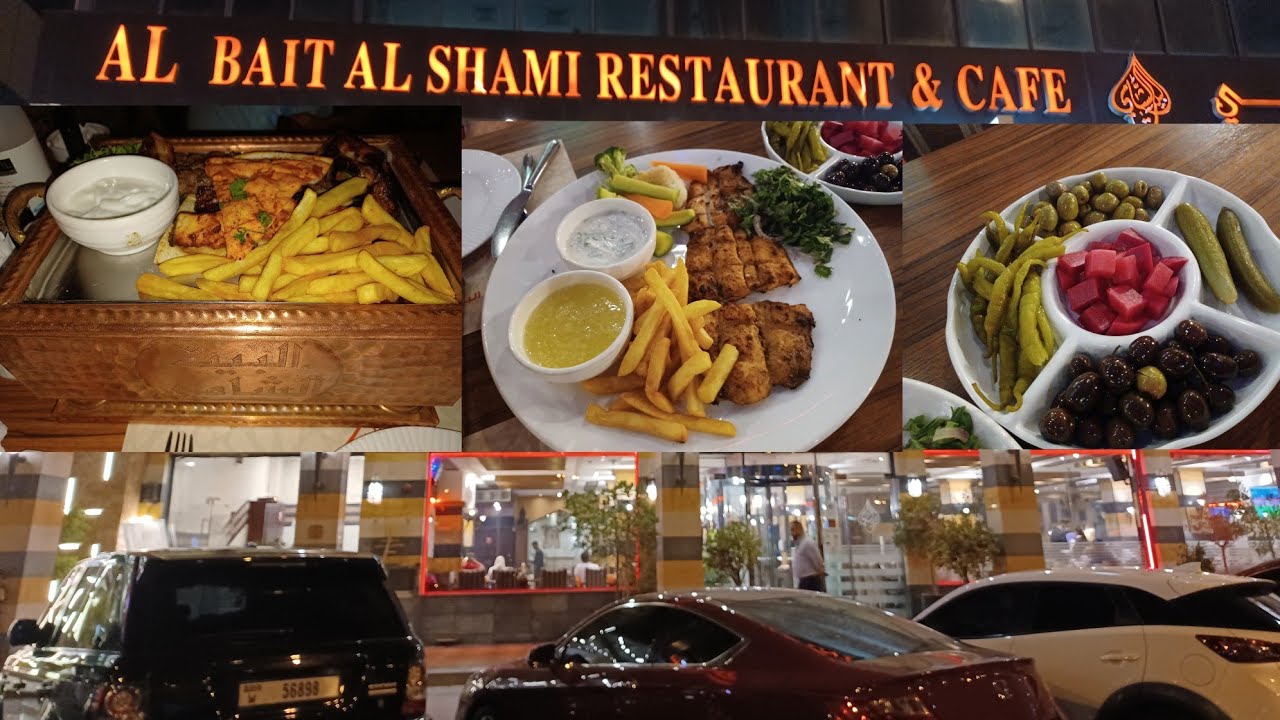
Grilled fish in Dubai is not just a culinary delight; it’s a celebration of the region’s rich maritime heritage and a testament to the importance of fresh seafood in Emirati culture. For Dubai residents seeking to elevate their dining experiences, indulging in expertly grilled fish offers a unique opportunity to explore local flavors that reflect the city’s diverse gastronomic landscape.
One of the key attractions of grilled fish is its unparalleled freshness. Many restaurants source their seafood daily from local markets or directly from fishermen, ensuring that you enjoy the taste of fish that is as fresh as possible. This commitment to quality is especially evident in popular areas such as Jumeirah Beach, where seaside establishments often grill fish right before your eyes, enhancing both flavor and dining experience.
Moreover, the distinctive blend of spices used in grilling fish showcases the region’s culinary heritage. From saffron to sumac, these spices enhance the natural flavors of the fish, creating a dish that is both aromatic and satisfying. For those looking to recreate this experience at home, understanding the local spice combinations can be a rewarding endeavor, adding depth to your home-cooked meals.
Finally, sharing grilled fish with family and friends fosters a sense of community, an essential aspect of life in Dubai. Whether dining at a beachfront restaurant or a cozy local eatery, the experience of enjoying a meal together under the stars creates cherished memories that go beyond just food. As you delve into the world of grilled fish, you’ll find that it’s not just a meal but a meaningful part of the Dubai lifestyle.
Chebab
Chebab, a cherished Emirati pancake, holds a significant place in the culinary landscape of Dubai, making it more than just a breakfast item. For both newcomers and long-term residents, understanding its cultural importance can enhance your dining experiences, especially during family gatherings or local events. Unlike Western pancakes, chebab is characterized by its unique texture, achieved through a simple batter of flour, eggs, and milk, cooked to a delightful golden hue.
When preparing chebab at home, sourcing quality ingredients can elevate the dish. Opt for fresh, local eggs and premium flour to replicate that authentic taste. For those less inclined to cook, numerous cafes across Dubai, particularly in areas like Deira and Al Ain, serve freshly made chebab, often drizzled with sugar, honey, or date syrup. The aroma wafting from a warm plate of chebab is an experience that resonates deeply with both locals and expatriates, often evoking memories of shared meals.
For long-term residents, exploring variations of chebab can be an enriching culinary journey. Some might prefer adding saffron or cardamom for a twist on the traditional flavor, while others might experiment with savory fillings. This adaptability not only fosters creativity in the kitchen but also allows you to introduce Dubai’s rich culinary heritage to friends and family, making each meal a celebration of culture and taste. Enjoying chebab is more than just savoring a dish; it’s about embracing community and tradition in the heart of Dubai.
Regag
Regag is a quintessential Emirati dish that should be a staple in every Dubai resident’s culinary repertoire. This crispy, thin bread not only serves as a versatile wrap for various fillings but also reflects the rich culinary heritage of the UAE. To prepare regag at home, you need just a few basic ingredients: flour, water, and salt. However, the true essence of regag lies in the toppings you choose, which can elevate this simple dish into a delightful feast.
For a savory option, adding melty cheese creates a rich, satisfying experience that pairs well with a side of mint yogurt. Alternatively, incorporating eggs transforms regag into a hearty breakfast choice, making it perfect for starting your day on a fulfilling note. For those with a sweet tooth, a drizzle of honey offers a delectable contrast, making it an inviting dessert or snack option.
Exploring local food stalls can also provide inspiration, as many vendors offer unique twists on regag, showcasing the creativity of Emirati street food. Whether you choose to enjoy regag from a local eatery or whip it up at home, this dish encapsulates the essence of Emirati cuisine and is sure to impress both newcomers and long-term residents alike.
Harees
Harees is more than just traditional Emirati comfort food; it serves as a culinary embodiment of cultural heritage that Dubai residents can appreciate during family gatherings or community events. This dish, with its historical significance, is especially popular during Ramadan and other special occasions, making it a must-try for both newcomers and long-term residents alike.
At its core, harees consists of a few essential ingredients: coarsely ground wheat, meat (such as chicken or lamb), and a blend of salt and spices. Each ingredient plays a vital role in creating the dish’s creamy texture and hearty flavor, which can be further enhanced by drizzling ghee over the top. The slow-cooking process allows the wheat to break down, resulting in a comforting consistency that many find nostalgic.
For those looking to incorporate harees into their culinary repertoire, consider visiting local markets or specialized restaurants that serve authentic versions of this dish. Not only does this provide a deeper connection to Emirati culture, but it also opens up opportunities to engage with the community, fostering a greater appreciation for the rich traditions that define life in Dubai.