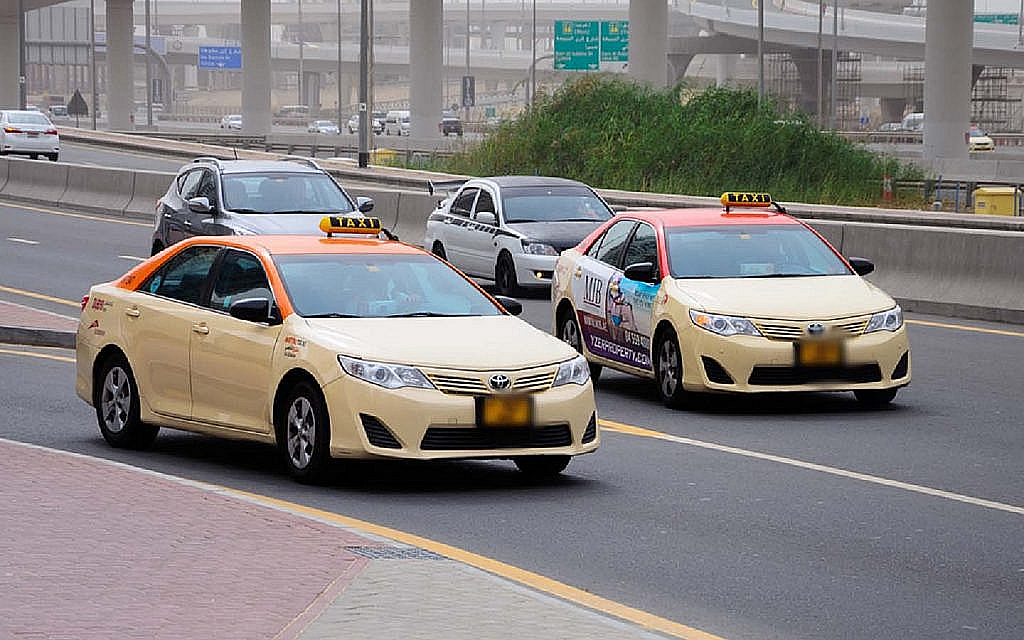
In Dubai, ride-hailing services like Careem, Uber, and local taxis compete fiercely, promising convenience, affordability, and quality. You’ll find that Careem offers competitive base fares, while Uber slightly undercuts them, and local taxis present a lower starting price. However, the nuances of surge pricing and trip lengths can greatly alter costs. Understanding these differences is essential for making informed decisions on your next ride. What factors will truly impact your choice?
Overview of Ride-Hailing Services in Dubai
As you explore Dubai, you’ll find that ride-hailing services have become an integral part of the city’s transportation landscape. The rise of ride-hailing trends reflects an increasing demand for efficient and convenient travel options. Services like Uber and Careem dominate the market, offering users a seamless experience through user-friendly apps.
Accessibility is a key factor in their success; these platforms cater to various demographics, providing options for both budget and luxury rides. Their widespread availability means you can easily hail a ride regardless of your location within the city.
Moreover, ride-hailing services have adapted to local preferences, ensuring that they remain relevant in a rapidly changing urban environment. By continuously enhancing their service offerings, they not only improve user experience but also contribute to the overall dynamics of Dubai’s transportation ecosystem. This evolution signals a shift in how residents and visitors navigate the city, embracing technology for everyday travel solutions.
Pricing Structure of Careem
When you consider Careem’s pricing structure, it’s essential to understand how the base fare is calculated and what factors influence it. The base fare typically includes a pick-up fee, distance rate, and time rate, but surge pricing can considerably affect your final cost during peak demand. By examining these elements, you’ll gain a clearer picture of your potential expenses when using Careem in Dubai.
Base Fare Breakdown
Careem’s pricing structure is designed to provide transparency and fairness for riders in Dubai. By analyzing the base fare comparison, you’ll notice that Careem employs a straightforward fare structure. This allows you to better understand what you’ll be paying before your ride. Below is a detailed fare structure analysis:
| Category | Base Fare (AED) | Per Km (AED) |
|---|---|---|
| Economy | 12 | 1.60 |
| Business | 20 | 2.50 |
| Max | 25 | 3.00 |
| Bike | 8 | 1.00 |
| Kid’s Ride | 10 | 1.50 |
With this breakdown, you can easily navigate your options and make informed decisions for your ride-hailing needs.
Surge Pricing Impact
Surge pricing can greatly affect your ride costs, especially during peak hours or high-demand events in Dubai. Careem employs this pricing model to manage supply and demand effectively, which means you might see significant fare fluctuations. When demand spikes, such as during holidays or major events, the app automatically increases fares, sometimes doubling or tripling the base rate. This dynamic pricing strategy encourages more drivers to go online, helping to balance the rider-to-driver ratio. However, it can lead to unexpected costs for you if you’re not aware of these surges. To mitigate this, consider checking the app during off-peak times or using fare estimates before booking, ensuring you stay informed about potential price hikes.
Pricing Structure of Uber
When you use Uber in Dubai, you’ll notice a base fare that sets the starting price for your ride, along with specific rates that vary based on distance and time. However, surge pricing can greatly impact your total cost, especially during peak demand periods. Understanding these components is essential for evaluating how Uber’s pricing structure compares to other ride-hailing services.
Base Fare and Rates
Uber’s pricing structure in Dubai is designed to offer a transparent and competitive fare system, which includes a base fare along with variable rates based on distance and time. The base fare provides a starting point for your journey, while per-mile and per-minute charges vary, reflecting the efficiency of ride sharing technologies. You’ll find that Uber’s rates are generally lower than those of traditional taxis, enhancing your customer service experience. Additionally, the app allows you to see an estimated fare before booking, ensuring no surprises. This clarity helps you make informed decisions about your ride, while the real-time tracking feature adds an extra layer of convenience, making Uber a popular choice among riders in Dubai.
Surge Pricing Impact
While using ride-hailing services in Dubai, you may encounter surge pricing, which greatly impacts the overall cost of your trip. Surge pricing occurs during high demand periods, like weekends or holidays, leading to increased fares that can considerably inflate your ride’s price. An impact analysis reveals that these surges can lead to fares 1.5 to 3 times higher than the standard rate. This pricing model is designed to balance supply and demand, but it can catch you off guard. To avoid unexpected costs, monitor the app for surge notifications and consider adjusting your travel times. Understanding the nuances of surge pricing can help you make informed decisions and budget effectively while using Uber in Dubai.
Pricing Structure of Local Taxis
Although local taxis in Dubai offer a familiar mode of transportation, their pricing structure can be complex and varies based on several factors. Taxi regulations play a significant role in determining fares, which are usually influenced by the time of day, distance traveled, and any applicable surcharges. For instance, you might find that rates increase during peak hours or holidays. Fare transparency is another critical aspect; while the initial flag-down rate is clear, additional charges for waiting time or extra passengers may not be immediately obvious. This lack of clarity can lead to confusion when you’re trying to estimate your total fare. Additionally, local taxi drivers may not always provide upfront fare estimates, making it essential for you to be aware of the pricing structure before your ride. Overall, understanding these elements can help you navigate the local taxi system more effectively.
Comparison of Base Fares
When comparing the base fare structures of various ride-hailing services in Dubai, you’ll notice significant differences that impact your overall travel costs. It’s vital to analyze not just the starting fares but also any additional charges that may apply, such as surge pricing or booking fees. Understanding these factors will help you make informed decisions about your ride options.
Base Fare Structure
In Dubai’s ride-hailing market, base fare structures vary greatly among service providers, impacting your overall travel expenses. Understanding these differences can help you make informed decisions. Typically, base fares are influenced by distance calculations and fare adjustments based on demand.
| Service Provider | Base Fare (AED) |
|---|---|
| Careem | 12 |
| Uber | 10 |
| Local Taxi | 8 |
As you can see, local taxis often offer the lowest base fare, which might be appealing for short trips. However, Careem and Uber may provide better service quality and convenience. Be sure to take these factors into account, as your choice can greatly affect your total fare.
Additional Charges Analysis
While base fares provide a foundation for understanding ride-hailing costs, additional charges can greatly impact your total fare in Dubai. Both Careem and Uber have similar base fares, but it’s vital to account for their additional fees. For instance, both services may impose surge pricing during peak hours, considerably inflating your cost. Careem, in particular, has been known to include hidden charges like booking fees or service charges that aren’t immediately apparent. Local taxis, on the other hand, may have additional fees for luggage or late-night rides. To guarantee you’re not caught off guard, always check the fare breakdown before confirming your ride. Understanding these additional charges can help you make more informed decisions.
Surge Pricing Explained
Surge pricing, a common practice in the ride-hailing industry, dynamically adjusts fares based on real-time demand and supply conditions. When you’re booking a ride, you might notice fares increasing during peak times or events. This pricing strategy aims to balance demand with available drivers. Here’s how it typically works:
- High Demand: During rush hours or special events, more riders request rides, leading to increased prices.
- Limited Supply: If there are fewer drivers on the road, surge pricing kicks in to encourage more drivers to become available.
- Notification: You’ll see a surge multiplier on the app, indicating how much your fare will increase compared to normal rates.
Understanding surge pricing helps you make informed decisions. You can choose to wait for lower prices or adjust your travel time to avoid peak demand.
Additional Charges and Fees
Riders should be aware that additional charges and fees can greatly impact the overall cost of a ride in Dubai. Both Careem and Uber may impose these fees under different circumstances, which can catch you off guard. For instance, you might face additional fees for tolls or booking during peak hours. Careem, for example, often includes a service fee that’s not always transparent upfront.
Moreover, hidden charges can arise from waiting times or changes in your destination after you’ve booked the ride. It’s crucial to check the fare breakdown before confirming your trip to avoid unexpected costs. Local taxis also have their own set of additional charges, such as airport pickups or extra luggage fees. By understanding these potential costs, you can make more informed decisions and better manage your ride-hailing expenses in the bustling city of Dubai.
Cost Efficiency for Short Trips
When considering cost efficiency for short trips in Dubai, it’s essential to analyze the pricing structures of ride-hailing services like Uber and Careem. Both platforms offer short trip convenience, but their costs can vary based on your ride preferences. Here’s a breakdown to help you decide:
- Base Fare: Uber typically has a lower base fare compared to Careem, making it more appealing for quick rides.
- Per Kilometer Charge: Careem may charge a slightly higher per kilometer rate, which can add up for short distances.
- Surge Pricing: During peak hours, Uber’s surge pricing can greatly increase costs, while Careem’s rates may be more stable.
Ultimately, for short trips, you’ll want to weigh these factors against your ride preferences to determine which service offers the best value. Evaluating both platforms can lead to smarter decisions for your travel needs in Dubai.
Cost Efficiency for Long Trips
While planning for long trips in Dubai, understanding the cost dynamics of ride-hailing services like Uber and Careem becomes essential. Long distance pricing can vary considerably between the two platforms. Uber typically charges a base fare along with a per-kilometer rate, while Careem often has a slightly different structure that can be more cost-effective for longer journeys.
When you opt for ride-sharing, there are notable advantages, especially if you’re sharing the ride with others. Splitting the fare can markedly reduce costs, making it a more economical choice for groups.
Additionally, consider the peak hours; both services may implement surge pricing, impacting your total fare. However, booking in advance can help lock in a better rate. Overall, carefully comparing the long distance pricing of each service can help you make an informed decision to maximize your budget during your trip.
Benefits of Each Service Beyond Pricing
Though cost is a significant factor, several other benefits of ride-hailing services like Uber and Careem enhance the overall user experience. Here’s a closer look at what each service provides beyond pricing:
- Service Quality: Both platforms focus on maintaining high service standards, ensuring drivers are well-rated and vehicles are clean, contributing to better overall satisfaction.
- Safety Features: Uber and Careem incorporate robust safety measures, including GPS tracking, driver background checks, and in-app emergency buttons, giving you peace of mind during rides.
- App Usability and Customer Support: Both apps offer user-friendly interfaces with multiple payment methods and efficient customer support, making it easy to resolve issues or address inquiries.
Additionally, loyalty programs enhance the user experience by rewarding frequent riders, while a variety of ride options caters to different needs, from economy to luxury. Overall, these features elevate your ride-hailing experience beyond just cost.
Tips for Choosing the Right Ride-Hailing Service
As you navigate the options available in the ride-hailing market, understanding the key factors that influence your choice can greatly enhance your overall experience. Start by evaluating your user preferences. Consider what matters most to you: cost, vehicle type, or wait times. Each service has its strengths and weaknesses, so aligning your preferences with the right platform is essential.
Next, assess service reliability. Research the average wait times and cancellation rates for Careem, Uber, and local taxis. User reviews can provide insights into the consistency of each service. If you often need rides during peak hours, prioritize platforms known for reliable availability.
Additionally, consider any loyalty programs or promotions that might benefit you. Ultimately, combining your user preferences with the service reliability of each option will help you make an informed decision, ensuring your ride-hailing experience in Dubai is both efficient and satisfying.
In the bustling streets of Dubai, choosing between ride-hailing services is like selecting a key to access convenience and value. While Careem, Uber, and local taxis offer distinct pricing and benefits, your choice should reflect your journey’s essence—whether it’s a quick dash or a leisurely ride. Just as each key opens a different door, evaluating costs and service quality will lead you to the right option, ensuring your travel experience is both seamless and fulfilling.