The Shindagha Historic District along Dubai Creek offers residents a unique opportunity to connect with the city’s heritage while enjoying a serene waterfront experience. This area, rich in history, is a reminder of Dubai’s transformation, showcasing architectural styles that reflect its trading past. For both newcomers and established residents, exploring Shindagha is not just a stroll; it’s an immersive step into the cultural fabric of Dubai.
Shindagha is home to several key landmarks, including the Dubai Museum, which provides insights into the emirate’s history, and the Al Fahidi Historical Neighborhood, known for its traditional wind-tower architecture. Walking through these streets allows you to appreciate the difference between the historic structures and the modern skyline that dominates areas like Downtown Dubai and Dubai Marina.
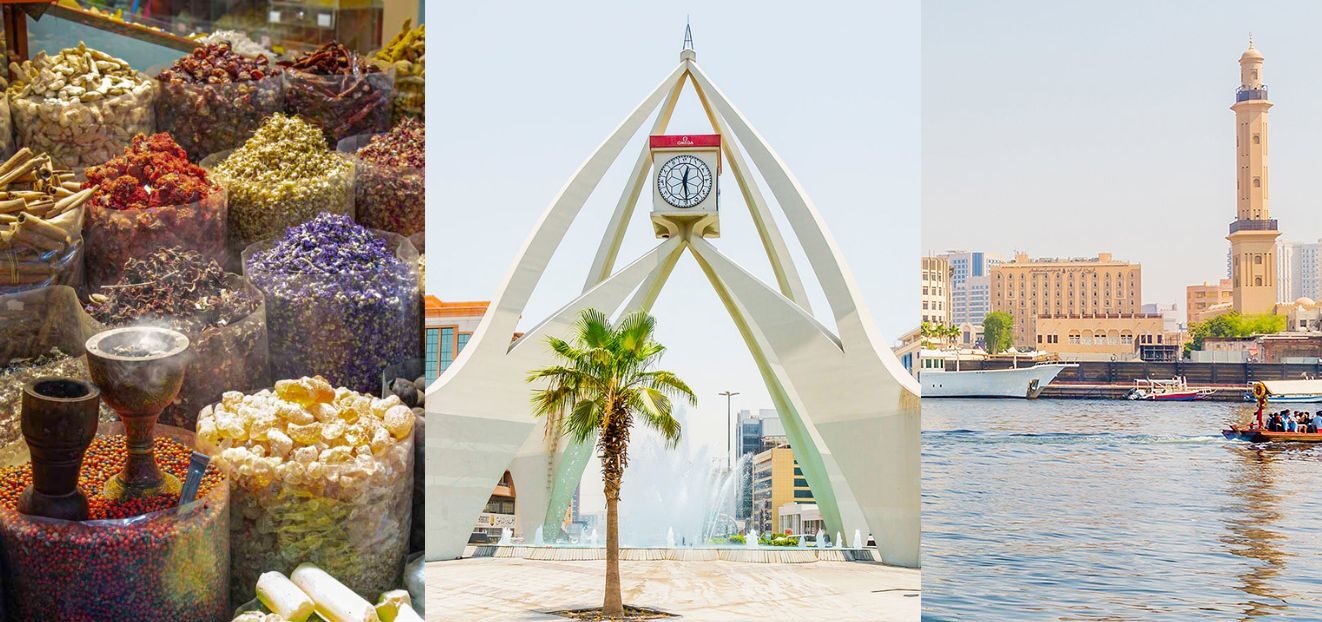
For those interested in local culture, the Dubai Creek is surrounded by various dining options, including traditional Emirati restaurants such as Al Fanar, offering a taste of local cuisine. Additionally, the nearby Gold Souk and Spice Souk present opportunities for residents to engage in the traditional trade practices that once defined the region.
It’s worth noting that while the area is rich in history, accessibility has improved significantly with the introduction of public transport options like the Dubai Metro, which connects to the Bur Dubai area.
For practical insights, consider visiting Shindagha during the cooler months, as the temperature can significantly influence your experience. The best time to explore is from October to March, when the weather is more conducive to walking. Additionally, be sure to check local hours and any events that might be taking place, as the district often hosts cultural festivals that can enhance your visit.
In summary, the Shindagha Historic District is a vital part of Dubai’s identity, offering a blend of history and community engagement. Its significance lies not only in its physical structures but also in the stories and traditions that continue to thrive in this part of the city. For residents, it serves as a reminder of Dubai’s roots amidst its rapid modernization.
What is Shindagha?
Shindagha serves as a historical cornerstone in Dubai, showcasing the city’s rich heritage as a former trading hub along the Creek. For both newcomers and current residents, exploring this neighborhood reveals essential insights into Dubai’s past, evident through its preserved architecture and cultural landmarks.
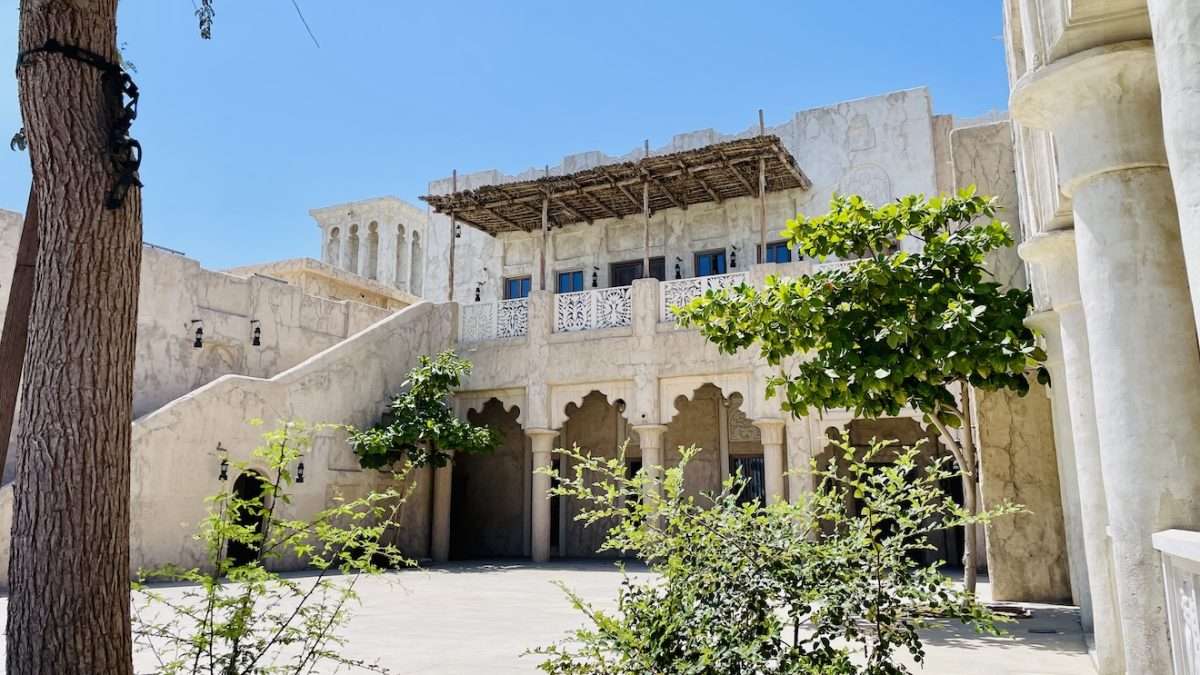
Shindagha is recognized as one of the oldest neighborhoods in Dubai, characterized by its narrow alleys and traditional wind towers. These structures, along with the coral-stone houses, reflect the architectural practices of the region and serve as tangible links to the community’s history. For those interested in cultural heritage, a visit to the Dubai Museum located in Al Fahidi Fort provides a comprehensive overview of the city’s evolution from a small fishing village to a bustling metropolis.
Shindagha’s historic architecture and the Dubai Museum offer a window into the city’s rich cultural heritage.
For newcomers, navigating Shindagha can involve a step-by-step exploration of key points of interest. Begin your journey at the Al Shindagha Historic District, where you can learn about the area’s significance in maritime trade. Nearby, the Sheikh Saeed Al Maktoum House offers insights into the life of Dubai’s ruling family, further enriching your understanding of local history.
Current residents may appreciate the contrast between Shindagha’s historical charm and Dubai’s modern developments. While areas like Downtown Dubai and the Marina are known for their skyscrapers and luxury malls, Shindagha provides a quieter setting that reflects the city’s traditional roots. This juxtaposition highlights the rapid growth of Dubai, inviting residents to explore the diverse layers of their home.
For practical considerations, accessing Shindagha is straightforward, with the area well-connected via public transport. The Al Ghubaiba Metro Station is a short distance away, facilitating easy visits to this culturally significant neighborhood. In addition, the proximity to other landmarks, such as the Gold and Spice Souks, enhances the appeal of Shindagha as part of a broader exploration of Dubai’s rich history.
For those seeking a deeper connection to Dubai’s past, Shindagha stands out as an essential destination. Its unique blend of history, architecture, and community offers valuable lessons about the city’s journey and encourages both new and established residents to engage with the cultural fabric that defines modern Dubai.
Top Attractions in Shindagha
Exploring Shindagha offers residents a unique opportunity to connect with Dubai’s rich heritage through its historical landmarks and cultural sites. Notable attractions include Sheikh Saeed Al Maktoum House, a significant historical residence that outlines the lineage of Dubai’s leadership. Additionally, the Traditional Architecture Museum provides insights into the architectural evolution of the region, showcasing traditional building techniques that shaped the city. A walk along the Waterfront Promenade allows residents to enjoy the serene views of Dubai Creek while experiencing the area’s vibrant atmosphere.
Sheikh Saeed Al Maktoum House is not only a museum but also a pivotal landmark in Al Shindagha, providing a glimpse into the royal family’s history and the early days of Dubai’s development. For those interested in architecture, the Traditional Architecture Museum, situated nearby, highlights the distinctive design elements that characterize old Dubai.
Residents looking to appreciate the local culture can also benefit from the Waterfront Promenade, which connects various points of interest along the creek. The promenade serves as a gathering spot for families and individuals, facilitating community interactions while offering scenic views. These locations collectively contribute to the fabric of life in Shindagha, allowing both newcomers and established residents to discover hidden gems and enhance their understanding of Dubai’s heritage.
Sheikh Saeed Al Maktoum House
Stepping into Sheikh Saeed Al Maktoum House, located in Dubai’s Al Shindagha area, allows residents and visitors alike to engage with the historical essence of old Dubai. This site served as the residence and office of Sheikh Saeed Al Maktoum, the grandfather of the current ruler. The building is renowned for its traditional wind towers and coral stone construction, offering insights into the architectural practices of the region before the skyscraper era.
Exploring the house reveals a collection of historic photographs and artifacts that depict life along Dubai Creek over the decades. These exhibits provide a contextual backdrop for understanding the evolution of Dubai from a modest fishing village to a thriving global city. For newcomers, this site is an essential part of understanding Dubai’s cultural heritage, while established residents can appreciate the historical continuity and legacy that informs contemporary life in the emirate.
Visiting Sheikh Saeed Al Maktoum House is not just about observing architecture; it’s an opportunity to connect with the historical narratives that have shaped the community. Located near other significant landmarks such as the Dubai Museum and the Al Fahidi Historical Neighborhood, this site complements a comprehensive exploration of Dubai’s rich history. Make sure to check the official Dubai Culture website for current visiting hours and potential guided tours that enhance the experience.
The Perfume House
The Perfume House in Shindagha offers Dubai residents an opportunity to explore the city’s rich fragrance heritage and its cultural significance. Inside this establishment, you can gain insights into how traditional scents, especially oud, have shaped local customs and daily life. Regular visits can enhance your understanding of the fragrances prevalent in Dubai’s markets and homes, making it a valuable resource for both newcomers and long-term residents.
The Perfume House serves as a living museum for the art of perfume-making, reflecting Dubai’s diverse cultural tapestry. By engaging with knowledgeable staff, visitors can learn about the processes behind crafting traditional perfumes, including the sourcing of ingredients. This immersive experience not only deepens appreciation for scents like oud but also connects you to the broader historical context of fragrance in Emirati culture.
For residents interested in further exploration, Shindagha is conveniently located near other cultural landmarks such as the Dubai Museum and the historic Al Fahidi district. These locations collectively highlight Dubai’s tradition and heritage, making them ideal for a day of cultural immersion.
For those looking to purchase perfumes, it’s worth noting that The Perfume House offers a range of options, from high-end brands to locally crafted scents, catering to different preferences and budgets. Comparing these offerings with other retailers in areas like Deira or Dubai Mall can help you find the best deals while ensuring authenticity.
Traditional Architecture Museum
The Traditional Architecture Museum in Dubai offers residents and visitors a unique opportunity to connect with the city’s rich architectural heritage. This museum highlights the craftsmanship that has defined Dubai’s traditional homes and public buildings, especially in the Shindagha area.
Inside the museum, you will find a collection of exhibits that detail the techniques and materials used in traditional construction, such as coral stone and wooden beams. This focus on architectural preservation is essential for understanding the skill and patience involved in maintaining Dubai’s cultural legacy. For newcomers, visiting the museum provides valuable insights into the historical context of modern Dubai.
For long-term residents, the museum serves as a reminder of the city’s evolution and the importance of sustaining its architectural identity. Engaging with the museum’s displays can foster a deeper appreciation for the community’s roots, particularly as Dubai continues to grow and modernize.
For those interested in a more immersive experience, consider exploring nearby landmarks in Shindagha, such as the Dubai Creek and the Al Fahidi Historical Neighborhood. These areas complement the museum visit by showcasing the tangible remnants of Dubai’s past, enhancing your understanding of its vibrant culture and history.
For further exploration of Dubai’s architecture, local resources like the Dubai Culture and Arts Authority offer additional insights into ongoing preservation efforts and cultural initiatives.
Historic Dock
The Historic Dock in Shindagha is a must-visit destination for Dubai residents, offering a unique insight into the city’s maritime heritage. This site highlights Dubai’s historical significance in trade and pearling and presents an opportunity for both newcomers and long-term residents to understand their city’s cultural roots.
The dock features authentic wooden dhows, which have been integral to Dubai’s trade history, serving as a tangible connection to the past. Informative plaques line the area, detailing the dock’s role in Dubai’s economic development and its transformation over the decades. This educational aspect is vital for residents seeking to grasp the evolution of their city.
Visitors can experience traditional maritime life, gaining a deeper appreciation for the commerce that shaped Dubai. The dock also provides stunning views of Dubai Creek, where the juxtaposition of old and new architecture reflects the city’s rapid growth. This visual contrast serves as a reminder of Dubai’s rich history amidst its modern advancements.
For those looking to delve deeper, nearby attractions such as the Dubai Museum and the Al Fahidi Historical Neighborhood further enrich the experience, creating a comprehensive cultural outing. Overall, the Historic Dock stands as a peaceful retreat in the bustling city, inviting residents to connect with the depth of their heritage.
Waterfront Promenade
The Waterfront Promenade in Shindagha is an essential spot for both newcomers and long-term residents of Dubai looking for a serene outdoor experience while enjoying stunning views of Dubai Creek. This area not only serves as a picturesque walking route but also offers a variety of activities that enhance the lifestyle of residents.
As you traverse the promenade, you can engage in boat rides departing from the Marina Dock, especially during the late afternoon when the weather is most pleasant. Fishing is another popular activity, with the pier area being prime for early morning catches. For those who enjoy guided experiences, walking tours along the promenade path in the evening provide insights into Dubai’s rich history and culture.
Photography enthusiasts will find numerous vantage points perfect for capturing the iconic sunset views over the creek. Additionally, the Promenade Café offers a selection of snacks and beverages, making it a convenient stop for a quick break at any time of day.
| Activity | Location | Best Time to Visit |
|---|---|---|
| Boat Rides | Marina Dock | Late Afternoon |
| Fishing | Pier Area | Early Morning |
| Walking Tours | Promenade Path | Evening |
| Photography | Viewing Points | Sunset |
| Cafes & Snacks | Promenade Café | Anytime |
For residents looking to maximize their experience, consider visiting the promenade during weekdays to avoid crowds, particularly if you plan to engage in fishing or photography. The proximity of Shindagha to other notable areas such as Al Fahidi Historical Neighborhood and the Dubai Frame enhances its appeal, allowing residents to seamlessly integrate multiple activities into one outing.
For verified information regarding local activities and community guidelines, refer to resources from the Dubai Tourism Authority or the official Dubai government website.
How to Visit Shindagha
Visiting Shindagha, a historic district in Dubai, is straightforward. Whether you choose to drive or utilize public transport, planning your visit during the cooler months—specifically from October to March—enhances your experience considerably. This timeframe avoids the intense heat and allows for comfortable exploration of this culturally rich area, which is home to several important landmarks, including the Dubai Museum and the Heritage Village.
For residents and newcomers alike, public transport options to Shindagha include the Dubai Metro, with the nearest station being Al Ghubaiba, or the Dubai Bus service that connects various neighborhoods. If you prefer driving, be mindful of traffic patterns, particularly on weekends when local families frequent the area. Parking is available, but it can fill up quickly during peak visiting hours.
Consider combining your visit with nearby attractions such as the Al Seef district, which offers a blend of traditional and modern Dubai, or make a stop at the Dubai Frame for stunning views of the city. Each of these locations provides unique insights into Dubai’s heritage, making it easier to appreciate the significance of Shindagha’s historical context.
For more detailed transport information, refer to the Roads and Transport Authority (RTA) website, which offers real-time updates on public transport schedules and routes. Planning your visit with these insights ensures a hassle-free and enriching experience in one of Dubai’s most iconic districts.
Getting There
To access Shindagha seamlessly, Dubai residents can leverage a variety of transportation methods tailored to their preferences and needs. Being centrally located, Shindagha is easily reachable for both locals and newcomers. Here’s a breakdown of efficient travel options:
Start by utilizing the Dubai Metro, specifically getting off at Al Ghubaiba Station, which is a key interchange point. From there, a brief bus ride or a taxi can take you directly to Shindagha, ensuring a quick and convenient journey. The Metro is part of the Roads and Transport Authority (RTA) network, which is highly regarded for its punctuality and coverage.
For a scenic alternative, consider taking the water taxi from the Dubai Creek. This option not only provides picturesque views of the city’s skyline but also offers a unique perspective of Dubai’s cultural heritage. The water taxi service operates frequently, making it a popular choice among residents who wish to experience the historic waterways.
If driving is your preference, Shindagha has several public parking facilities nearby, allowing for easy access. Be sure to check local parking regulations, as they can vary by location and may affect your overall travel time.
Public buses are also a viable option, with routes 8 and 88 servicing areas close to Shindagha. Buses are a cost-effective choice for residents and visitors alike, with extensive coverage across the city as part of the RTA bus network.
For those who enjoy cycling, Dubai’s increasing number of bike lanes and rental services offers a healthy and environmentally friendly way to reach Shindagha. This method not only promotes fitness but also allows you to enjoy the outdoors while commuting.
Best Time to Visit
When planning a visit to Shindagha, timing is crucial for optimizing your experience. The ideal period to explore this historic area is from November to March, coinciding with Dubai’s cooler months. During this time, temperatures are more comfortable, allowing for leisurely strolls through Shindagha’s rich tapestry of culture and history without the oppressive heat typical of summer months.
Visiting Shindagha in the summer, while potentially less crowded, can detract from the experience due to high temperatures that can make outdoor exploration uncomfortable. As a long-term resident of Dubai, I recommend taking advantage of the quieter early mornings on weekends. This time offers a serene atmosphere to appreciate the area’s unique charm before the influx of visitors.
For those looking to delve deeper, consider planning your visit around local events or exhibitions that may be happening in the vicinity, enhancing your understanding of Dubai’s heritage. Always check reliable local sources, such as the Dubai Tourism website or community boards, for updates on events and weather conditions to maximize your visit. By strategically choosing your timing and being aware of local happenings, you can fully immerse yourself in the historical significance and vibrancy of Shindagha.