If you’re a long-term Dubai resident, you’ve likely become the go-to expert for friends and family visiting the city. And if so, you know firsthand that guiding them through visitor visa extensions means navigating a maze of intricate rules that change based on the specific visa type.
As someone who has spent years in this vibrant city, I’ve seen firsthand how crucial it is to understand the nuances of these regulations. Whether your guests are on a short tourist visa or a longer-term visit visa, knowing how many times they can request an extension—and the potential pitfalls of not doing so in a timely manner—is essential.
In this post, I’ll share well-researched insights and practical tips to help you and your loved ones make the most of your time in Dubai without the stress of unexpected fines or complications.
Let’s dive into the details and ensure your stay is as seamless as possible!
5 Types of Visit Visas in UAE
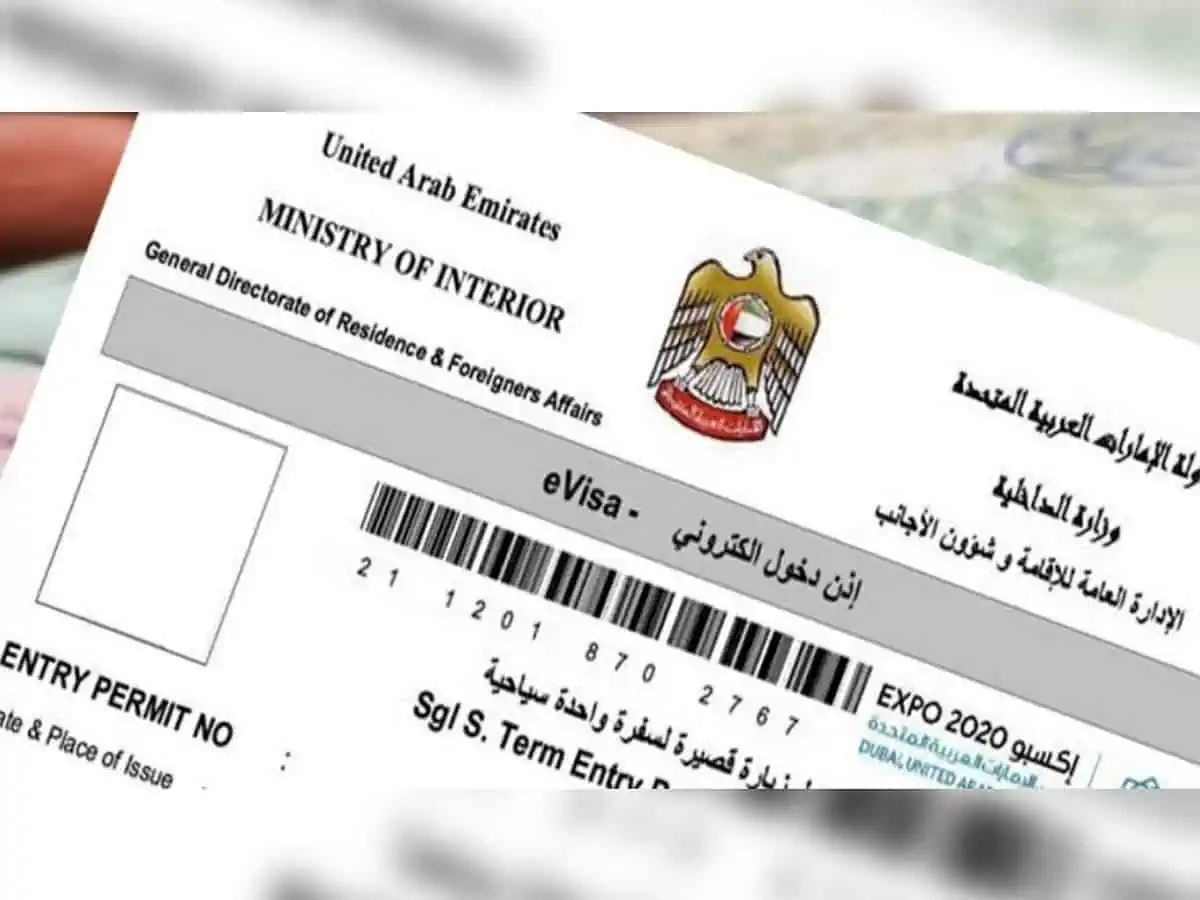
When considering your travel plans to the UAE, grasping the nuances of the various visit visa options is essential for both newcomers and established residents. The 30-day and 90-day on-arrival visas are widely used, yet they can only be extended once, which is a critical detail for those who may want to stay longer. For a brief visit, the 14-day visa offers a quick solution, and this option also allows for an extension at an additional cost, providing some flexibility for short-term travelers.
If you’re contemplating a more extended stay, the 180-day visa stands out as a solid choice; however, it cannot be extended, which may limit your options if plans change unexpectedly. On the other hand, prepaid visas for either 30 or 90 days offer the advantage of two extensions, allowing for a bit more adaptability in your travel itinerary.
Additionally, be aware that visa extension rules can vary based on your visa type, so it’s crucial to stay informed about the specific regulations that apply to your situation.
For both new and existing residents, understanding these visa types can lead to better planning. Be proactive about your visa options and extensions to ensure a seamless experience, enabling you to fully immerse in the diverse experiences Dubai has to offer.
Overstaying Fines
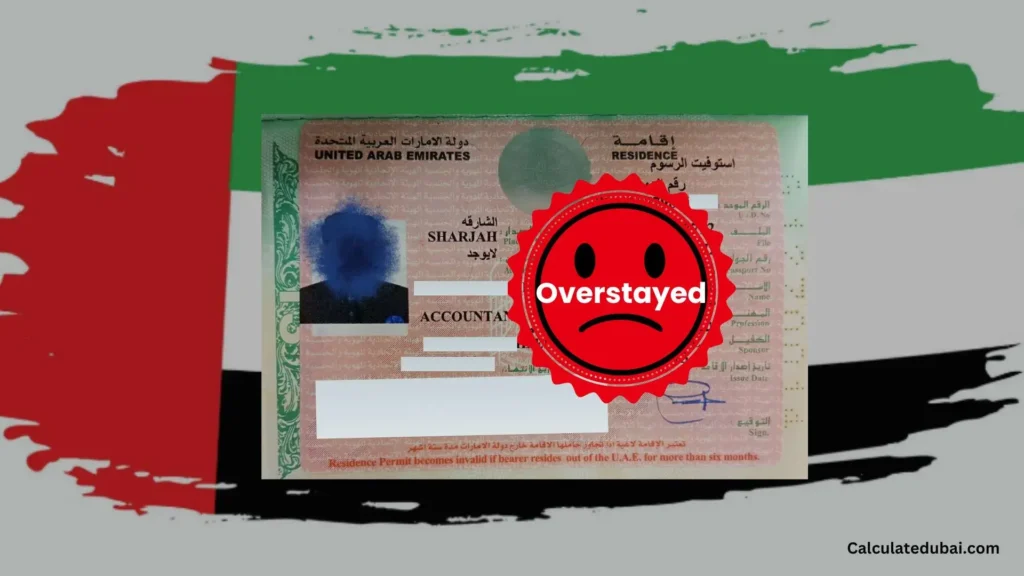
Being mindful of your visa expiration date is crucial for both current residents and newcomers to Dubai. Overstaying your visa can lead to significant financial repercussions, starting with a fine of 50 AED for the first day and an additional 50 AED for each subsequent day. This can quickly escalate, turning what might feel like a minor oversight into a costly mistake.
For those planning to stay longer, understanding the exit permit fee is essential. When leaving the UAE, you can expect to pay between 250 to 350 AED, which is an often-overlooked expense that can catch you off guard if you’re not prepared. To avoid these surprises, it’s wise to proactively apply for a visa extension or a change of status before your current visa expires.
Moreover, staying informed about your visa status not only helps you save money but also reduces stress, allowing you to focus on enjoying all that Dubai has to offer. Regularly checking your visa details and setting reminders can ensure a smooth transition, whether you’re extending your stay or preparing for departure. Additionally, checking overstay fines is a proactive step to prevent unexpected legal issues that can arise from overstaying your visa.
Visa Grace Period
If you’re residing in Dubai and your visit visa is nearing expiration, it’s critical to understand that the UAE does not offer a grace period for visa overstays. This means proactive measures are essential to avoid unnecessary fines and legal complications.
Firstly, overstaying your visa can lead to significant financial penalties. The fine starts at 50 AED for the first day of overstay, and this amount accumulates daily, making it a costly oversight. Furthermore, if you decide to leave the UAE after overstaying, you may also incur exit permit fees, which can further inflate your expenses.
Knowing your visa expiration date is crucial for effective planning. For current residents, it’s advisable to set reminders ahead of your visa’s expiration to initiate renewal or change processes without the last-minute rush. Investigating options well in advance can save you both money and stress, allowing you to focus on enjoying your time in Dubai. Additionally, ensure you are aware of any registration requirements that may affect your stay in the UAE.
Changing to Residence
Changing from a visit visa to a residence visa in Dubai is a significant transition for newcomers looking to settle down. This process not only allows you to extend your stay but also opens doors to long-term opportunities within the emirate. One of the first steps is to ensure that your employer initiates the paperwork; they typically play a crucial role in facilitating this transition, ensuring that you comply with all necessary regulations.
Timing is essential in this process. You must start the visa switch before your visit visa expires to avoid any penalties associated with overstaying. Overstaying can lead to fines that accumulate daily, and in severe cases, can affect your ability to secure future visas. Hence, proactive planning is key. Additionally, being aware of the UAE Unemployment Insurance Scheme can provide financial security during your transition if needed.
For those already familiar with the intricacies of Dubai’s residency laws, remember that the specific documents required can vary based on your job sector and employer’s profile. Keeping track of deadlines and having all your paperwork organized can significantly ease this transition. By staying informed and prepared, you’ll be well on your way to fully embracing life in this dynamic city.
Price
Navigating the intricacies of extending or altering your visit visa in Dubai is essential for both newcomers and long-term residents. Understanding the associated costs can prevent unexpected financial burdens and ensure a hassle-free experience. For instance, extending a 30-day visa will set you back 990 AED, while opting for a prepaid extension jumps to 1190 AED. It’s crucial to recognize the differences in pricing, as prepaid options may offer greater flexibility for future plans.
Moreover, those holding a prepaid 60-day visa should be aware that in-country changes can cost up to 1790 AED. This higher fee serves as a reminder to evaluate your visa options carefully before committing to a longer stay. Additionally, overstaying your visa can lead to fines of 50 AED per day, which can accumulate quickly and detract from your financial planning. The importance of accurate record-keeping cannot be overstated, as it ensures compliance with visa regulations and helps avoid unnecessary penalties.
Finally, if you’re considering leaving the UAE, exit permit fees range from 250 to 350 AED. Ensuring that you manage your visa and its associated costs effectively will not only help you avoid fines but also enhance your overall experience living in this vibrant city.