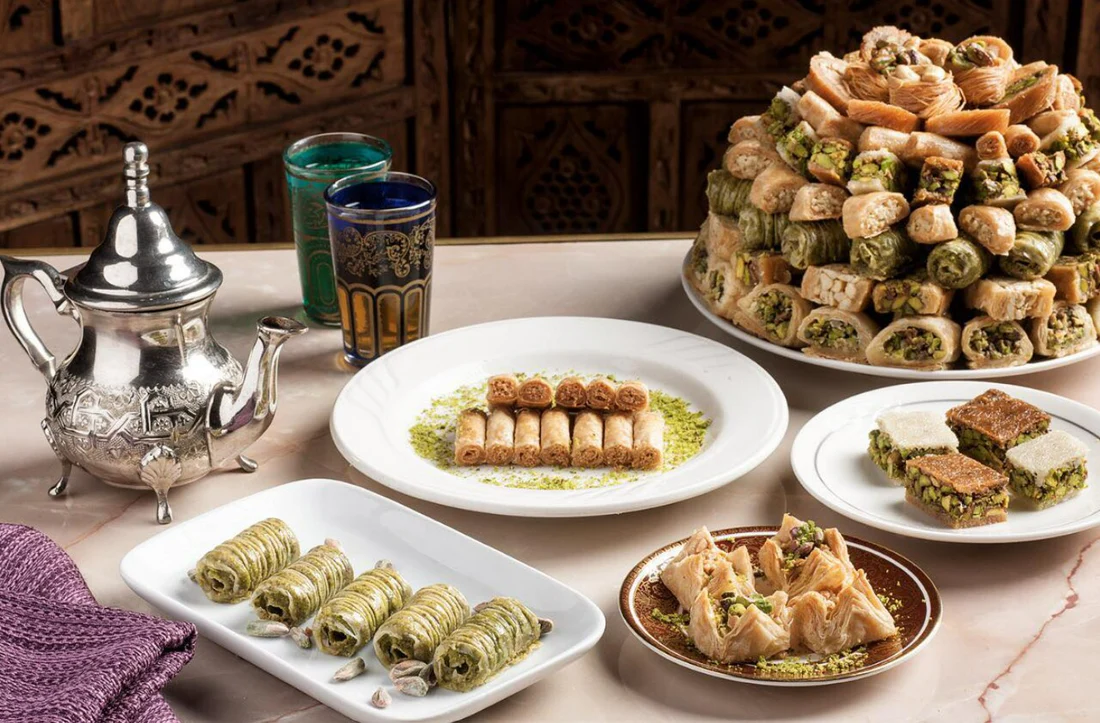
When exploring the culinary landscape of Dubai, it’s essential to appreciate the rich tapestry of traditional Arabic sweets, which serve not just as desserts but as cultural narratives.
The contrast between the crispy layers of Kunafa, often served warm, and the moist, dense texture of Basbousa provides a delightful exploration of flavors and textures that reflect the region’s heritage.
For long-term residents, understanding the nuances of these sweets can enhance your appreciation and inform your choices when hosting gatherings or celebrating special occasions.
For those new to Dubai, a good starting point is to visit local sweet shops or markets like the historic Al Fahidi neighborhood, where you can sample these delicacies firsthand.
Be sure to ask for recommendations to discover hidden gems that might not be on the tourist radar.
This approach not only allows you to taste authentic flavors but also supports local artisans who have perfected these recipes over generations.
For seasoned Dubai residents, consider experimenting with homemade versions of these sweets, as many traditional recipes are readily available online.
This can be a rewarding way to connect with the culture while also impressing guests with your culinary skills.
Incorporating these desserts into your gatherings can foster a sense of community and celebration, making them a central feature of any festive occasion.
Kunafa
Kunafa is not just a beloved dessert in Dubai; it represents a culinary tradition that resonates deeply with the city’s rich heritage. As a resident, understanding the nuances of this delicacy can enhance your dining experiences. Kunafa’s origins can be traced back to the Middle East, where it was traditionally made with thin noodle-like pastry, layered with either gooey cheese or cream, and generously soaked in sweet syrup. The combination of textures and flavors creates a unique dessert that is emblematic of local culture.
If you’re considering making Kunafa at home, it’s a straightforward process that allows you to customize the ingredients to your liking. Start by preparing the dough, which is usually available at local grocery stores, or you can make it from scratch if you’re feeling adventurous. After filling it with your choice of cheese or cream, bake it until golden brown, and finish with a drizzle of warm syrup for that signature sweetness. This can be a delightful activity for families, allowing everyone to participate and enjoy the results together.
For those already residing in Dubai, exploring different variations of Kunafa across the city can be a culinary adventure. Each restaurant may offer its own twist, from the type of cheese used to the syrup’s flavor, giving you the chance to discover hidden gems. Visiting local cafes or bakeries known for their Kunafa can also provide insight into the various styles that reflect the diverse cultural influences present in Dubai.
Basbousa / Harissa
Indulging in Basbousa, also known as Harissa, is more than just enjoying a dessert; it’s a dive into the rich tapestry of Middle Eastern culinary traditions that thrives in Dubai. This semolina cake, renowned for its sweet, moist texture and syrup-soaked delight, offers a spectrum of flavors that cater to diverse palates. For Dubai residents, exploring the various styles of Basbousa can enhance your dessert experience, whether you prefer the classic version or seek something more adventurous.
When comparing the different Basbousa styles available in local bakeries, consider the following options: The Classic Basbousa is a staple that captures the traditional flavor, while the Coconut variant adds a tropical twist with shredded coconut on top. For a nutty flavor, the Almond version features garnished almond slices, while the Chocolate style drizzles rich chocolate syrup for a modern touch. Lastly, the Pistachio option, sprinkled with crushed nuts, offers a unique textural contrast that could be a conversation starter at gatherings.
As a current resident or newcomer in Dubai, don’t miss out on visiting local patisseries to sample these delightful variations. Each bite not only satisfies your sweet tooth but also connects you with the vibrant culinary culture that defines life in this dynamic city.
Umm Ali / Arabic Bread Pudding
Umm Ali is not just a beloved Arabic dessert; it’s a cultural staple in Dubai that embodies the rich culinary traditions of the Middle East. As a Dubai resident, understanding the nuances of this dish can elevate your dining experience or even inspire you to recreate it at home. Typically, Umm Ali consists of layers of crispy bread combined with a creamy mixture of milk, sugar, and nuts, creating a comforting dessert that resonates with many local families.
When exploring Umm Ali, you’ll find that the toppings can vary significantly based on the region. In some areas, you might enjoy it garnished with crunchy almonds and fragrant pistachios, while in others, shredded coconut is the star. This variety reflects the diverse influences within Dubai’s culinary scene and can influence your choice when dining out or hosting gatherings. Opting for Umm Ali from a local café can introduce you to unique regional twists and flavors.
For newcomers, seeking out authentic Umm Ali at local restaurants is a must-do culinary experience. Look for traditional establishments in neighborhoods like Deira or Bur Dubai, where you can taste the homemade versions of this dessert. Meanwhile, long-term residents can experiment with different recipes, adjusting sweetness levels or incorporating seasonal ingredients, making it a versatile dish that can be tailored to personal preferences or dietary needs.
Baklava
Baklava is a quintessential dessert that embodies the rich cultural tapestry of Dubai’s culinary scene, making it a must-try for both new arrivals and long-term residents. Its origins trace back to the Ottoman Empire, symbolizing a blend of flavors and traditions that connect various cultures. When selecting baklava, it’s essential to look for the hallmark traits that distinguish high-quality versions:
Flaky Layers: The delicate sheets of dough are central to its appeal, contributing to a satisfying texture that contrasts beautifully with the filling. This is particularly important when considering where to purchase baklava, as not all establishments prioritize this craftsmanship.
Nutty Filling: The traditional fillings of walnuts or pistachios are crucial for flavor depth. Local bakeries often have their unique recipes, so exploring different options can lead to delightful discoveries that enhance your understanding of this dessert’s versatility.
Sweet Syrup: Often made from honey or a sugar syrup, the drizzle not only sweetens but also binds the layers, creating a harmonious experience. For residents, experimenting with homemade baklava can be rewarding; consider sourcing local ingredients to recreate a taste of Dubai’s culinary heritage while engaging friends in the process.
Luqaimat / Logma
Luqaimat, also known as logma, is more than just a dessert; it’s a cultural staple that embodies the culinary heritage of the UAE. For residents and newcomers alike, understanding why luqaimat is cherished can enhance your appreciation for Emirati cuisine and encourage exploration of local markets and festivals.
One of the defining features of luqaimat is its unique texture. These delightful dough balls are crispy on the outside, providing a satisfying crunch, while the inside remains soft and airy, creating that melt-in-your-mouth sensation. This contrast is what makes each bite a memorable experience, perfect for satisfying both sweet cravings and culinary curiosity.
Another appealing aspect is the versatility of toppings. You can customize your luqaimat with rich date syrup or honey, allowing you to enjoy this treat in a way that suits your taste. This adaptability also makes it an excellent option for sharing at gatherings, fostering a sense of community among friends and family.
When you find yourself at a local market or festival, don’t miss out on trying luqaimat. It’s not just about indulging in a sweet treat; it’s about connecting with the rich traditions of Dubai and experiencing the essence of Emirati culture.
Mahalabia / Arabic Milk Pudding
Mahalabia, or Arabic milk pudding, is a cherished dessert that embodies the culinary heritage of Dubai and the wider Arab world. This creamy delight is not only a staple in many local eateries but also a versatile treat that you can easily recreate at home, making it a perfect introduction to traditional Arabic desserts for newcomers and a nostalgic indulgence for long-term residents.
The unique flavor profile of mahalabia is often enhanced with rose or orange blossom water, providing a fragrant experience that is both refreshing and soothing. For those looking to elevate their dessert game, consider adding toppings such as chopped nuts, seasonal fruits, or a drizzle of chocolate to personalize your dish. This versatility makes mahalabia a great option for various occasions, whether you’re hosting a dinner party or simply enjoying a quiet evening at home.
If you’re new to Dubai, don’t miss the opportunity to sample mahalabia at local restaurants, where you can appreciate its authentic taste made with locally sourced ingredients. For seasoned residents, experimenting with homemade versions can deepen your appreciation for this traditional dessert while connecting you to the rich culinary tapestry of the region.
Maamoul
Maamoul is not merely a cookie; it embodies the essence of cultural heritage, particularly cherished during festive occasions in Dubai. These traditional pastries, often filled with dates, nuts, or figs, have a history that resonates with family gatherings and celebrations throughout the UAE. Understanding the significance of maamoul can enhance your appreciation for the rich tapestry of Emirati culture, making it a delightful addition to your culinary repertoire.
For residents eager to recreate this traditional treat at home, here’s a straightforward maamoul recipe that honors its heritage:
| Ingredients | Instructions |
|---|---|
| Flour, Ghee | 1. Combine flour with ghee until the mixture resembles coarse crumbs. |
| Dates, Nuts | 2. Select your preferred filling and encase it within the dough. |
| Sugar, Spice | 3. Mold the filled dough, bake until golden, and finish with a dusting of sugar. |
Biting into a warm maamoul transports you to a time of family stories and cherished moments. Whether you’re hosting a gathering or attending one, bringing along these pastries can foster connections and create new memories, enriching your experience of life in Dubai.
Qatayef / Atayek
The vibrant streets of Dubai during Ramadan come alive not just with festive lights but also with enticing culinary offerings, particularly qatayef, or atayek. For Dubai residents, these traditional Arabic desserts are more than just a sweet indulgence; they represent a rich cultural heritage that can be both enjoyed and shared. Filled with an array of delectable options such as sweet cream, nuts, or dates, qatayef serves as a delightful treat for locals and newcomers alike, especially during iftar gatherings.
When savoring qatayef, expect a soft, pancake-like exterior that encases a gooey filling—each bite is a sensory journey. A sprinkle of powdered sugar or a drizzle of syrup enhances the experience, offering a satisfying contrast to the rich filling. For residents, knowing where to find the best qatayef can elevate your culinary explorations. Popular spots in Dubai, like Al-Ameerah and Qataif Al-Sharq, provide authentic options that reflect the true essence of this beloved pastry.
Embracing qatayef is not just about the taste; it’s about connection. Sharing these treats during iftar fosters community and strengthens familial bonds, making them an essential part of Ramadan celebrations in Dubai. For those new to the city, seeking out these pastries can be a delightful way to immerse yourself in local traditions while creating lasting memories.
Halawet El Jibn / Cheese Halwa
Halawet El Jibn, or cheese halwa, is not just a delightful dessert; it represents a unique fusion of flavors and textures that is emblematic of Middle Eastern culinary innovation. For Dubai residents, particularly those who appreciate the rich tapestry of Arabic sweets, this dish is a must-try. The combination of stretchy cheese and sweet semolina dough creates a velvety texture that stands out from other desserts, making it a compelling option for both newcomers and long-term residents looking to deepen their culinary experiences in the city.
When indulging in Halawet El Jibn, consider pairing it with Arabic coffee to enhance the flavor profile. This combination is not only traditional but also elevates the overall tasting experience, as the bitterness of the coffee perfectly complements the sweetness of the halwa. Local sweet shops throughout Dubai, especially in areas like Al Fahidi and Deira, offer various renditions of this dish, providing residents with an opportunity to explore different interpretations and toppings, such as crushed pistachios or coconut flakes.
For those residing in Dubai, seeking out authentic Halawet El Jibn can also lead to discovering hidden gems in the culinary scene. Exploring lesser-known dessert shops can reveal unique recipes and family-owned establishments that have perfected their craft over generations, offering a more personal connection to this beloved dish.
Omani Halwa
When exploring the cultural landscape of Dubai, Omani Halwa stands out as a significant culinary entity that reflects the region’s rich heritage. This traditional dessert, often enjoyed alongside Arabic coffee, embodies a unique blend of spices such as saffron and cardamom, offering not just flavor but also a fragrant aroma that is unmistakably Middle Eastern.
For those new to Dubai, seeking out Omani Halwa can enhance your culinary journey. Look for it in local sweet shops or traditional markets like the Dubai Spice Souk. Sampling this chewy and soft treat, often enjoyed during special occasions, allows newcomers to connect with the cultural fabric of the community.
For long-term residents, understanding the nuances of Omani Halwa can deepen your appreciation for Arabic desserts. Consider experimenting with recipes at home, as this dessert’s complex flavors invite culinary exploration. Additionally, knowing the best places to buy high-quality Omani Halwa can elevate your hosting experiences, making it a perfect addition to gatherings that celebrate Arab traditions.
Usbu Al Zainab / Zainab’s Fingers
After savoring a piece of Omani Halwa, you might want to explore another popular dessert in Dubai: Usbu Al Zainab, or Zainab’s Fingers. This beloved Arabic treat is characterized by its crispy, fried dough that envelops a sweet filling of nuts and spices. It’s essential to understand that these treats are not just about flavor; they embody the hospitality and culture of the region, making them a staple at gatherings and celebrations.
The key components of Zainab’s Fingers contribute to their unique taste and texture. The crispy exterior provides a satisfying crunch that contrasts beautifully with the rich nut filling, typically made from almonds or pistachios. This filling is crucial, as it brings depth and flavor to each bite. The addition of sugar syrup serves as a sweet glaze, balancing the rich flavors while enhancing the overall experience. For those familiar with Middle Eastern spices, cardamom or cinnamon is often included, elevating the aroma and adding a familiar warmth.
For newcomers to Dubai, trying Zainab’s Fingers is a must—look for them at local bakeries or during festive events. Current residents should consider making these at home, experimenting with different nut combinations or spices to personalize this traditional dessert while keeping the essence of Emirati hospitality alive.