If you’ve ever wondered how Dubai’s money has changed over the years, the Coins Museum in Bur Dubai is a must-visit. It’s a place where you can see historic gold dinars, silver dirhams, and coins from India, all telling stories of trade and history. Located in Al-Bastakia, it’s easy to reach and perfect for a quick cultural stop before exploring nearby attractions. Want to know which exhibits will surprise you the most? Keep going.
Where is the Coins Museum?
The Coins Museum, located in the historic Al-Bastakia neighborhood of Bur Dubai, is a valuable resource for residents interested in the UAE’s financial history. Situated near Al Fahidi Fort, the museum occupies a traditional Arabic building crafted from coral, stone, and teakwood, showcasing the architectural style of early UAE settlements. You can explore its unique wind towers and thick walls, which are designed for natural cooling.
Discover Dubai’s rich financial history at the historic Coins Museum in Al-Bastakia.
This compact museum offers a glimpse into Dubai’s past through carefully curated exhibits that highlight the evolution of currency in the region. Engaging with this space not only enriches your understanding of local history but also allows you to appreciate traditional Emirati architecture.
Visiting the Coins Museum is straightforward since it is within walking distance of major landmarks like the Dubai Museum and the vibrant Al Seef district, making it an ideal stop for those looking to dive deeper into Dubai’s cultural heritage.
What You’ll See?
At the Coins Museum, encounter remarkable coins that illuminate the trade networks of ancient empires, offering a glimpse into Dubai’s vibrant historical tapestry.
1. Abbasid & Umayyad Gold Dinars
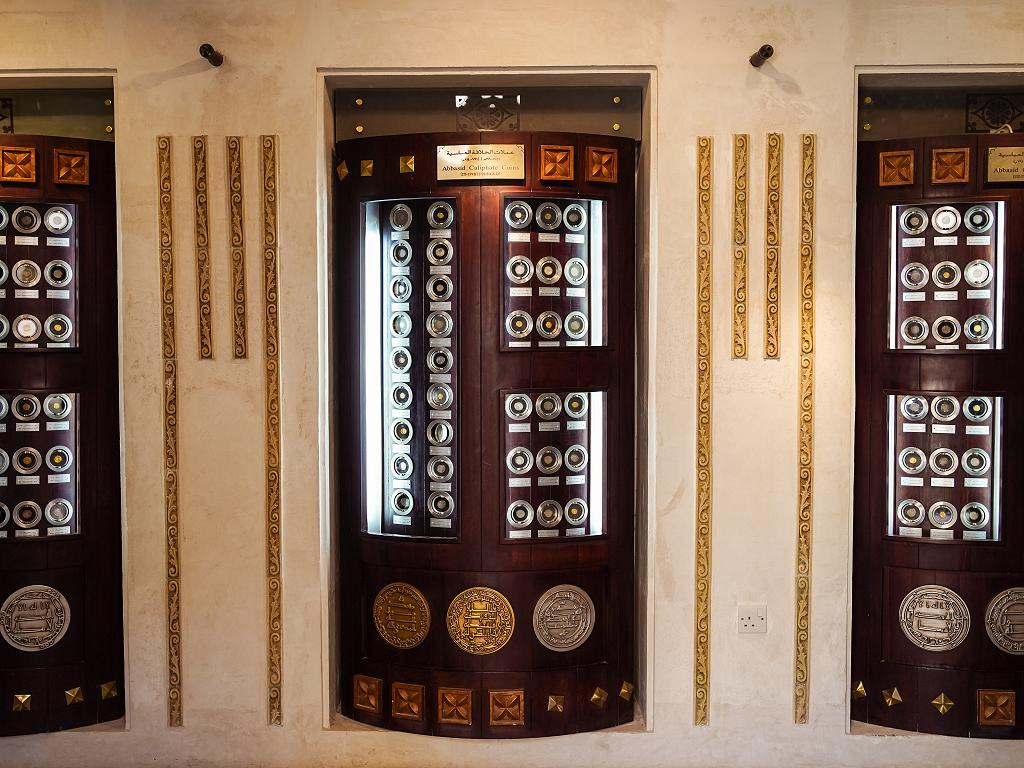
Walking into the coin rooms at the Dubai Coins Museum reveals a stunning collection of Abbasid and Umayyad gold dinars, offering insights into the region’s rich history. These coins represent significant milestones in Islamic trade and culture, particularly the Umayyad dinars, among the earliest Islamic gold coins used for commerce and status.
The Abbasid coins narrate the story of a powerful empire that influenced the Middle East. Intricate calligraphy and designs on these coins embody the artistic heritage of their time. For residents, this collection not only showcases historical artifacts but also serves as a gateway to understanding Dubai’s diverse cultural legacy.
Visiting the museum can enhance your appreciation for Dubai’s historical context. The museum is located in Al Fahidi Historical Neighbourhood, easily accessible through the Dubai Metro. Make sure to check the museum’s schedule and possible guided tours for a deeper understanding of these treasures.
Dubai Coins Museum, Al Fahidi St, Bur Dubai, Dubai, UAE; contact: +971 4 353 1862.
2. Fatimid Silver Dirhams
Explore the Fatimid silver dirhams, a remarkable part of the Fatimid Caliphate’s heritage, which ruled from the 10th to 12th centuries across North Africa and the Middle East. These coins are not mere currency; they serve as a lens into the economic intricacies of the era, illustrating trade dynamics and wealth distribution.
The dirhams feature elaborate designs and inscriptions that reflect the sociopolitical landscape of their time. Understanding their historical context can enhance your appreciation for Dubai’s vibrant marketplace, where commerce has always thrived.
If you’re keen on Islamic numismatics, consider visiting local exhibitions or museums such as the Dubai Museum or the Coin Museum in Al Fahidi, where you can delve deeper into this fascinating subject. Connecting these ancient coins to Dubai’s current cultural exchanges enriches your experience in the city, highlighting how historical trade practices influence today’s economic activities.
For further exploration, consider reaching out to local numismatic societies for educational resources or community events.
3. Regional Trade Coins
As you explore the Coins Museum in Dubai, you’ll encounter a compelling section on regional trade coins that highlights the city’s historical role as a trading nexus. These ancient currencies illustrate the trade routes connecting Dubai with Persia, India, and Africa, offering insights into how commerce has shaped the region.
You will find:
- Indian Subcontinent Coins: Used in the spice and silk trade, these coins represent India’s long-standing economic ties with the UAE.
- Persian Silver Pieces: These reflect the historical trade relationships between Dubai and Persia, emphasising the cultural exchanges that occurred.
- African Gold Coins: Linked to long-distance trading networks, these coins demonstrate Africa’s influence on regional commerce.
- Unique Trade Tokens: Employed by merchants to streamline transactions, these tokens highlight the evolution of trade practices.
Understanding these coins provides a deeper appreciation for Dubai’s development as a global trading hub. As you engage with these relics, consider how they connect to the vibrant markets and businesses you frequent today.
For further exploration, visit the museum located at Al Fahidi Historical District, Dubai. For details, check their official website or contact them directly.
How to Get to the Coins Museum?
Reaching the Coins Museum is straightforward. Choose between the Metro, bus, or an abra ride for a charming experience across Dubai Creek. Enjoy your journey!
By Metro & Bus (Al Fahidi Station – Green Line)
To reach the Coins Museum from Al Fahidi Station on the Green Line, take the Dubai Metro and disembark at Al Fahidi Station. The Metro offers convenient access, featuring elevators and ramps for those with mobility needs. Upon exiting the train, clear signage will direct you to nearby bus stops if you choose to transfer.
- For quicker access, check bus routes along Al Mussalla Road.
- Utilize the RTA Dubai app for real-time bus schedules.
- Buses operate frequently, minimising wait times.
- Alternatively, walking from Al Fahidi Station to the museum takes approximately 3 minutes, making it a straightforward option.
The Coins Museum itself is located within the Al Fahidi Historical District, an area rich in culture and heritage. This neighbourhood is known for its traditional wind-tower architecture and close proximity to other attractions like the Dubai Museum and Dubai Creek.
For further assistance, you can contact the museum directly at +971 4 223 0823 for any inquiries regarding exhibits or visiting hours.
By Abra & Taxi (Bur Dubai Abra Station)
A traditional abra ride from Bur Dubai Abra Station offers an engaging way to reach the Coins Museum, perfect for residents keen on experiencing Dubai’s waterways and historical charm. The abra, a small wooden boat, provides a quick, scenic journey across Dubai Creek, making it an enjoyable choice. However, if you prefer convenience, taxis are widely available and will take you directly to the museum in just a few minutes. This can be particularly beneficial during peak times when abra rides may be busy.
Both options present unique advantages. The abra adds a cultural touch to your commute, while taxis ensure comfort and speed. For residents, these choices enhance mobility while exploring Dubai’s rich heritage. Make sure to check the RTA (Roads and Transport Authority) app for the latest taxi fare estimates.
Coins Museum vs Dubai Museum: Which to visit?
When choosing between the Coins Museum in Bur Dubai and the Dubai Museum in Al Fahidi Fort, consider what you hope to gain from the visit. The Coins Museum offers an intimate look at Dubai’s economic history through its diverse collection of coins, making it ideal for those interested in local currency and its role in the economy. The museum’s layout allows for a leisurely exploration of its focused exhibits.
On the other hand, the Dubai Museum presents a comprehensive overview of the city’s history and culture, suitable for a full-day outing. It features extensive displays that showcase Dubai’s transformation from a fishing village to a global metropolis.
Both venues offer valuable insights, but your choice hinges on whether you prefer a detailed examination of coinage or a broader historical narrative.
Coins Museum Timing & Ticket
- Ticket Price: Free entry for all visitors.
- Opening Hours:
- Monday – Thursday: 08:00 AM – 03:00 PM
- Friday: 08:00 AM – 11:30 AM
- Saturday & Sunday: Closed
- Location: Al Fahidi Historical Neighbourhood (Bastakiya), near the Dubai Museum.
Coins Museum Nearby Cafes
After visiting the Coins Museum, you can easily find local dining options to unwind. The area near the museum features a variety of eateries and cafes that cater to diverse tastes, allowing you to enjoy a meal or a quick snack.
- Cultural eateries offer a selection of authentic Middle Eastern dishes, providing an opportunity to explore local flavours. Many of these establishments focus on fresh ingredients and traditional recipes, making them a popular choice for residents and visitors alike.
- Traditional cafes serve strong Arabic coffee, creating a perfect environment for conversation or relaxation. These cafes often have a welcoming atmosphere, ideal for both individuals and groups.
- Coffee spots are abundant, offering a range of brews for a quick caffeine fix. Some locations provide takeaway options, allowing you to sip while exploring.
- Snack options include fresh pastries and local sweets, perfect for a light treat after your museum visit.
For a local experience, consider checking out Al Mallah (Dubai’s oldest Lebanese eatery, Jumeirah), or Café Bateel, known for its gourmet offerings.
Attractions Nearby Coins Museum
Just a short walk from the Coins Museum, Bur Dubai offers a wealth of attractions that enhance your exploration of the area. Local markets, such as the vibrant Textile Souk, feature an array of traditional crafts and textiles—ideal for unique souvenirs. Historical sites, including Al Fahidi Fort and the Sheikh Saeed Al Maktoum House, provide insight into Dubai’s cultural heritage.
Explore Bur Dubai’s rich heritage with vibrant markets and historic sites just a short walk from the Coins Museum.
Art enthusiasts can explore galleries like the Alserkal Avenue, showcasing local talent and contemporary works. For outdoor relaxation, parks such as the Dubai Creek Park offer peaceful settings for picnics and photography. Don’t overlook the local food stalls, which serve authentic snacks representing the UAE’s diverse cuisine.
Consider joining guided tours, such as those offered by Dubai Culture, to delve deeper into the city’s history and architecture. This area is rich with opportunities for both new residents and long-term locals, making it an essential part of life in Dubai.