
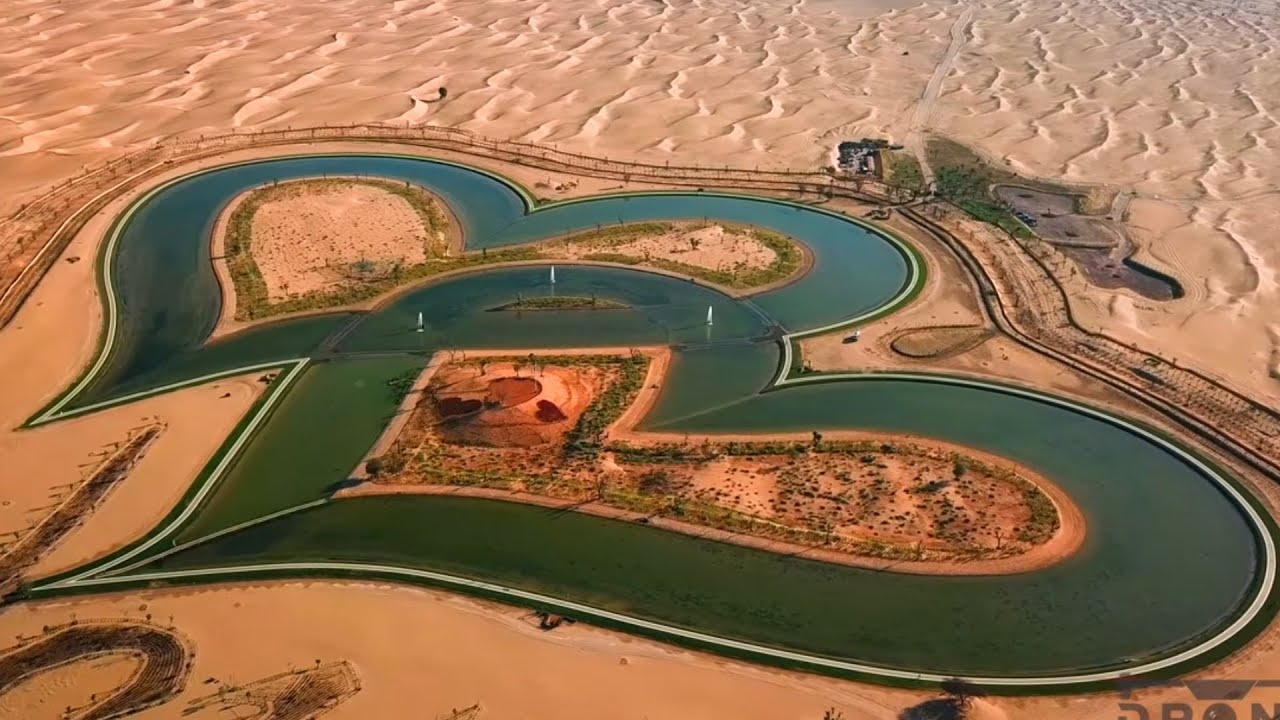
Al Qudra Forest in Dubai serves as a unique escape from urban life, providing residents with a tranquil green space in the heart of the desert. This man-made oasis allows for activities such as birdwatching, leisurely strolls, and picnicking without requiring extensive travel. Understanding how Al Qudra Forest flourishes in such an arid environment reveals its significance to both newcomers and seasoned residents.
Located just 30 minutes from central Dubai, Al Qudra Forest is part of the larger Al Marmoom Desert Conservation Reserve, which spans over 10% of Dubai’s total area. The forest features native trees like Ghaf and Sidra, which are specifically chosen for their resilience to the desert climate. These species not only support local wildlife but also contribute to the ecological balance in the region.
The Dubai Municipality, through its sustainability initiatives, has been instrumental in the forest’s development, ensuring it serves both environmental and recreational purposes.
For those interested in visiting, the forest offers various amenities, including designated picnic areas and walking paths. Access is free, making it a cost-effective option compared to other recreational areas like Kite Beach or Dubai Parks and Resorts. However, residents should be aware that facilities are limited, and bringing your own refreshments and seating is advisable for a comfortable experience.
Birdwatching is another highlight of Al Qudra Forest, as it attracts migratory species during specific seasons. Residents can spot birds such as the great crested grebe and various raptors, thanks to the forest’s strategic planting and water sources.
For those keen on wildlife photography, this natural habitat provides a unique opportunity to capture diverse species in their native settings.
In summary, Al Qudra Forest exemplifies Dubai’s efforts to create sustainable green spaces within a desert landscape. Its combination of native vegetation, recreational facilities, and accessibility makes it a valuable destination for both newcomers and long-term residents seeking a peaceful retreat from the city.
Whether you’re planning a family outing or a solo exploration, Al Qudra offers a practical and enriching experience right in the heart of Dubai’s vast desert.
What is Al Qudra Forest?
Al Qudra Forest serves as a vital green space in Dubai’s desert landscape, offering a unique ecosystem that supports local biodiversity. Established as a man-made forest, it features a variety of plant species and wildlife, including birds and small mammals, all thriving in an environment that contrasts sharply with the surrounding arid terrain.
This oasis is located near the Al Marmoom Desert Conservation Reserve, making it accessible for both exploration and relaxation. Residents can enjoy walking, jogging, or cycling along the trails, which are well-maintained through careful irrigation and management practices. The forest’s design also includes small ponds that enhance the habitat for local wildlife, demonstrating a successful integration of nature and human efforts.
For newcomers, visiting Al Qudra Forest offers a refreshing change from the typical urban environment found in areas like Downtown Dubai or Jumeirah. It’s a testament to Dubai’s commitment to sustainability and environmental conservation, reflecting the city’s broader initiatives to create green spaces within urban settings.
Current residents seeking a peaceful retreat should consider the forest as a viable alternative to more commercial green spaces like Dubai Marina Park or the Dubai Aquarium in Dubai Mall. While those locations offer unique attractions, Al Qudra Forest provides a natural setting for outdoor activities and a chance to connect with local flora and fauna, underscoring Dubai’s diverse environmental landscape.
For the latest guidelines on visiting Al Qudra Forest, including any regulations or conservation efforts, refer to the Dubai Municipality’s official website or local news sources.
How to Find & Access Al Qudra Forest
Reaching Al Qudra Forest, a unique green space in the Dubai desert, is straightforward for both newcomers and long-term residents. The most common route is via Al Qudra Road (D63), leading you directly to the coordinates 24.842954, 55.379778, which can be entered into your GPS for precise navigation. It’s advisable to use a 4×4 vehicle for the final stretch, as the terrain includes soft desert sand. Consider partially deflating your tires for a smoother ride; however, if you choose not to, proceed with caution and drive at a reduced speed. Given the limited signage in the area, pre-planning your route is essential to avoid any confusion.
For those in the surrounding communities, such as Arabian Ranches or Dubai Sports City, the drive to Al Qudra Forest provides a refreshing escape into nature. This man-made forest, established as part of Dubai’s commitment to sustainability, features a variety of trees and trails, making it an excellent destination for outdoor activities like cycling and picnicking. Notably, Dubai’s efforts to enhance its green spaces are supported by initiatives from the Dubai Municipality and various local environmental organizations.
While there are no specific facilities within Al Qudra Forest, nearby landmarks such as the Al Qudra Lakes offer additional recreational opportunities, including bird watching and scenic walks. Keep in mind that the forest is a popular spot, especially on weekends, so visiting during off-peak hours can enhance your experience. Whether you are new to Dubai or a long-term resident, Al Qudra Forest presents a meaningful opportunity to connect with nature amidst the urban landscape.
The Visitor Experience: Atmosphere & Activities
Al Qudra Forest in Dubai provides a serene escape from the bustling city, allowing residents to immerse themselves in nature. This destination offers a variety of activities that encourage relaxation and connection with the desert’s unique environment, making it an ideal spot for both newcomers and established residents seeking a peaceful retreat.
Upon entering Al Qudra Forest, you will immediately notice the contrast between the serene landscape and the urban energy of Dubai. The forest spans several kilometers and is home to various native flora and fauna, including migratory birds. This biodiversity makes it a prime location for birdwatching enthusiasts, particularly near the Al Qudra Lakes, where you can observe species native to the region.
For newcomers, a visit to Al Qudra Forest can serve as a straightforward introduction to Dubai’s natural beauty. While there, you can engage in simple activities like leisurely walks along the designated trails or picnicking in designated areas. The forest also features numerous cycling paths, perfect for exploring on two wheels. Residents can rent bicycles from local shops in nearby communities such as Arabian Ranches or Dubai Sports City.
For current residents looking to unwind, Al Qudra Forest offers a unique opportunity to disconnect from the digital world. Consider bringing a book to read under the shade of the trees or practicing mindfulness by the lakeside. The peaceful atmosphere is amplified by the absence of commercial distractions, allowing for a deeper connection with nature.
While Al Qudra Forest is an excellent option for relaxation, it’s essential to plan your visit accordingly. The best times to go are early mornings or late afternoons to avoid the heat, especially during the summer months. Additionally, ensure to carry sufficient water and sun protection, as facilities are limited.
For a comprehensive experience, combine your visit to Al Qudra Forest with a trip to the nearby Desert Conservation Reserve, where you can learn about local wildlife and desert ecosystems. This pairing highlights the varied outdoor experiences Dubai has to offer, catering to both adventure seekers and those looking to unwind.
Suggested Activities
Al Qudra Forest in Dubai offers a refreshing escape from the urban landscape, providing residents and visitors with a unique opportunity to connect with nature. The forest features an array of greenery, diverse bird species, and designated picnic areas, making it an excellent destination for relaxation and outdoor activities.
To maximize your experience at Al Qudra Forest, consider these practical activities:
- Bird Watching: Take a leisurely walk along the shaded trails, where you can observe various bird species native to the region. Bring binoculars for a closer look, as this area is known for its avian diversity.
- Picnicking: Pack a meal and enjoy it at one of the numerous picnic spots scattered throughout the forest. This allows you to unwind amidst nature while savoring your food.
- Photography: Capture the beauty of the landscape and its wildlife. The forest provides ample opportunities for stunning photographs, especially during the golden hours of sunrise and sunset.
For residents of Dubai, Al Qudra Forest serves as a vital green space that contrasts with the bustling city life. This oasis is easily accessible from communities such as Arabian Ranches and Dubai Sports City, making it a convenient choice for a day trip. Official resources, such as the Dubai Municipality website, provide additional details on park regulations and facilities, ensuring a safe and enjoyable visit.
Rejuvenation Angle
Stepping into Al Qudra Forest provides Dubai residents a much-needed escape from the city’s fast-paced environment. This man-made forest, located near the Al Marmoom Desert Conservation Reserve, offers a unique opportunity for both mindfulness and natural healing. As you navigate the winding paths, the gentle sounds of rustling leaves and birdsong create an atmosphere conducive to relaxation and rejuvenation.
For newcomers seeking tranquility, Al Qudra Forest encourages mindful walking, allowing for a deeper connection with nature. This area is not just a green space; it’s a vital retreat that promotes mental well-being amidst Dubai’s urban hustle. Whether you stroll solo or with friends, the forest invites you to slow down and let go of daily stressors.
Residents can easily access this oasis, which is just a short drive from popular communities like Arabian Ranches and Dubai Sports City. The well-maintained trails encourage exploration and offer ample opportunities for birdwatching, making it ideal for nature enthusiasts. Local media, such as The National, frequently highlight the forest’s role in promoting outdoor activities in Dubai, underscoring its significance as a community resource.
Visiting Al Qudra Forest is more than just an escape; it’s about integrating nature into your lifestyle. By embracing this unique environment, residents can recharge and enhance their overall quality of life in Dubai.
Essential “Leave No Trace” Guidelines for Visitors
Al Qudra Forest, a unique oasis nestled in the Dubai desert, requires careful stewardship to maintain its delicate ecosystem. Practicing sustainable habits while visiting this man-made wonder is crucial for wildlife preservation and ecological balance. Every action you take contributes to the health of this area.
Here are essential “Leave No Trace” guidelines tailored for visitors:
- Pack out all trash and food scraps: Dispose of all waste properly, as even organic material can disrupt the diet of local wildlife. Utilize designated trash bins or take your waste with you, maintaining the area’s pristine condition.
- Stay on designated paths: Stick to gravel or rocky paths to prevent damage to fragile vegetation that may take years to regenerate. This practice ensures that the natural landscape remains intact for future visitors and wildlife.
- Respect wildlife and natural features: Observe wildlife from a distance and leave plants and rocks undisturbed. This approach helps preserve both the natural habitat and historical artifacts, ensuring they remain for others to enjoy.
For comprehensive guidelines, refer to resources from the Dubai Municipality or the Environment Agency – Abu Dhabi. These institutions offer valuable insights into sustainable practices that protect Dubai’s unique environments. Exploring Al Qudra responsibly not only enhances your experience but also supports the broader community’s efforts in conservation and wildlife protection.