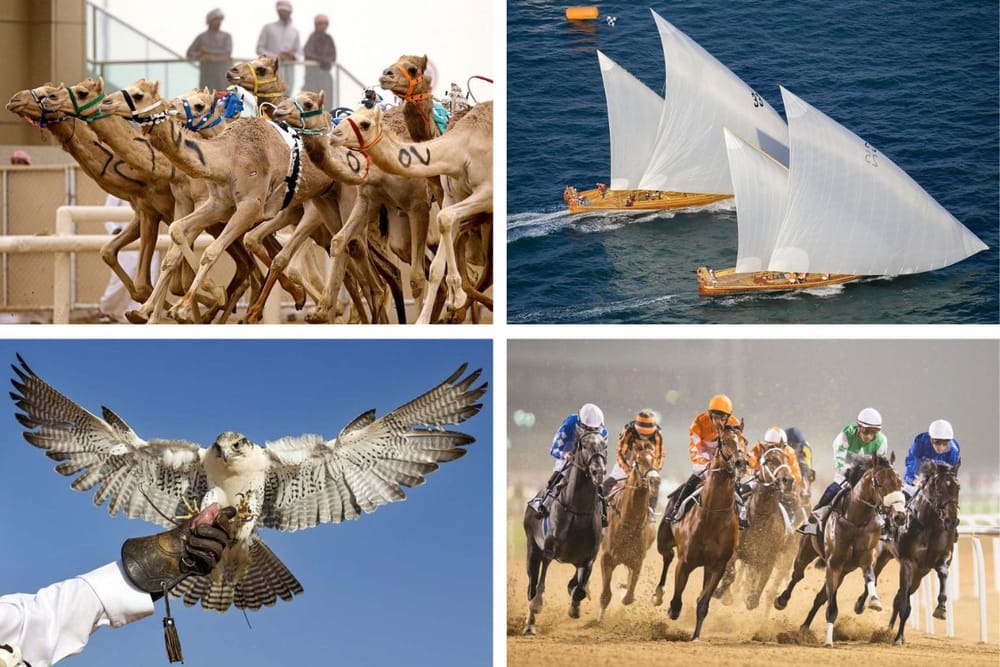
Living in Dubai offers a rich tapestry of traditional activities that are deeply rooted in Emirati culture, such as falconry, camel racing, and henna application. These practices serve as vital links to the region’s heritage, enhancing community bonds and cultural identity. Understanding these traditions can provide both newcomers and long-term residents with insights into the social fabric of Dubai.
Falconry, considered a national sport, is not merely a pastime but a symbol of pride for Emiratis. Residents can witness live falconry displays at locations like the Al Ain Zoo or the Dubai Falconry Club, where enthusiasts engage in training and competitions. The sport emphasizes the importance of the falcon in Emirati heritage, reflecting a longstanding respect for nature and wildlife management.
Camel racing also plays a significant role in Dubai’s cultural landscape. The Dubai Camel Racing Club, located in the Al Marmoom area, hosts races that attract both locals and tourists. Modern technology, such as robotic jockeys, has transformed this traditional event, making it more accessible and exciting. For residents, attending a race provides an exhilarating glimpse into local customs while supporting community spirit.
Henna application is another cherished tradition, particularly during weddings and festivals. Local artisans in places like the Souk Al Bahar or the Global Village offer elaborate henna designs that symbolize joy and celebration. For newcomers, learning about the significance of henna can enhance their participation in local events, making them feel more integrated into the community.
In summary, traditional Emirati activities such as falconry, camel racing, and henna application are integral to Dubai’s cultural identity, presenting opportunities for residents to connect with the past and engage with their community. Understanding the meanings and locations associated with these practices enhances the overall experience of living in this vibrant city.
A Glimpse into Heritage
In Dubai, the fast-paced modern lifestyle coexists with deep cultural roots, evident in traditional Emirati practices that foster a connection to the city’s rich heritage. Engaging in these activities, such as wearing traditional attire, allows residents to embrace their identity and history while navigating contemporary life.
Wearing the kandura or abaya is more than a fashion choice; it’s a symbol of pride and cultural heritage in Dubai. The kandura, often made from breathable white fabric, is designed for comfort in the desert climate, linking wearers to generations of Emiratis. These garments serve as reminders of family values and customs, facilitating a sense of belonging during local events or family gatherings. In communities like Al Fahidi or Jumeirah, it’s common to see residents donning traditional attire at festivals like Eid, reinforcing the communal spirit and cultural continuity.
The kandura and abaya embody cultural pride, connecting wearers to Emirati heritage and community traditions.
Participating in local festivals, such as the Dubai Shopping Festival or the Dubai Food Festival, offers opportunities to witness this blend of tradition and modernity. Residents can enjoy traditional Emirati performances while exploring contemporary art and cuisine. Events are typically held in iconic locations like the Dubai Mall or Al Seef, which highlight the city’s transformation while honoring its past.
For newcomers, understanding the significance of these cultural practices is essential for integrating into Dubai’s social fabric. Familiarizing oneself with local customs and attire can enhance experiences and foster connections within the community. Current residents should consider attending workshops or cultural tours, such as those offered by the Sheikh Mohammed Centre for Cultural Understanding, to deepen their appreciation of Emirati heritage.
Ultimately, the interplay of traditional and modern elements in Dubai enriches daily life, allowing residents to navigate their cultural identity in a rapidly evolving city. Embracing these moments not only honors the past but also prepares individuals for the future, making life in Dubai uniquely rewarding.
The Art of Falconry
Experiencing falconry in Dubai offers residents a unique opportunity to engage with a revered tradition that combines nature with heritage. This ancient practice, deeply rooted in Emirati culture, requires building a strong bond of trust through meticulous bird training. Residents can participate in hands-on experiences with various falconry programs available in the city, enhancing their understanding of these majestic birds and the skills required to train them effectively.
Falconry in Dubai is not just a spectator sport; it’s an interactive journey. Programs like those offered by the Dubai Falconry Club or the Falconry Experience at Al Marmoom Desert Conservation Reserve allow participants to learn how to read a falcon’s body language, which is crucial for effective training. For newcomers, this hands-on engagement is essential, as it emphasizes the importance of patience and observation in developing a successful partnership with these birds.
For current residents, exploring the various falconry options available in Dubai provides valuable insights into the best practices and techniques used across different programs. While some may prefer private sessions for personalized instruction, others might find group workshops at venues like the Dubai Desert Conservation Reserve to be more immersive and community-oriented. Understanding the pros and cons of these experiences can help you make an informed decision based on your level of interest and previous experience.
Moreover, falconry is closely tied to the cultural heritage of Dubai, often showcased during events such as the annual Dubai Falconry Festival. Engaging with these events not only deepens your appreciation for the sport but also connects you with fellow enthusiasts and experts in the field. As you participate, you’re not just learning a skill; you’re contributing to the preservation and promotion of an important aspect of Dubai’s identity.
The Camel: Ship of the Desert
Camels are integral to Dubai’s cultural heritage and practical desert life, symbolizing resilience and adaptability in the face of harsh environments. They have historically served as vital transportation for goods and people, navigating the vast sands where few vehicles could operate.
In Dubai, camel racing is a celebrated tradition, featuring competitions that highlight the speed and endurance of these animals. Events take place at specialized tracks, such as the Al Marmoom Camel Racing Club, where enthusiasts gather to witness this unique spectacle. The excitement of the races not only fosters community spirit but also reinforces the connection between residents and the desert lifestyle.
Camels possess remarkable abilities, such as going days without water and carrying heavy loads, which is crucial for survival in the arid climate of Dubai. This adaptability has made them essential companions for Bedouins and traders, facilitating commerce and cultural exchange long before modern transportation. Their historical significance is recognized in various local events and festivals that celebrate Emirati heritage.
Moreover, the role of camels extends beyond transportation; they are also part of the local economy. Camel milk, known for its nutritional benefits, is a popular product in Dubai, available at specialty stores and markets like the Dubai Camel Milk Company. This product not only supports local agriculture but also promotes a sustainable approach to living in harmony with the desert environment.
As residents of Dubai, understanding the significance of camels can enhance appreciation for the emirate’s rich history and cultural identity. From racing to milk production, camels embody the spirit of resilience that characterizes life in this dynamic city, bridging the gap between tradition and modernity.
The Beauty of Henna
Henna artistry in Dubai extends beyond mere decoration; it embodies cultural significance and community connection. Residents can find henna designs at various local events, particularly during weddings, Eid celebrations, and other festive occasions, making it a staple of Emirati cultural identity.
Henna designs feature intricate details that reflect the skill of the artists and the rich heritage of the region. For example, floral swirls often symbolize beauty and nature, while geometric patterns may represent familial ties or local history. Notably, artists in areas like Deira and Al Ain specialize in traditional designs, while modern interpretations can be found in upscale locations like The Dubai Mall.
Henna designs blend artistic skill with cultural heritage, from traditional patterns in Deira to modern styles at The Dubai Mall.
For residents seeking henna applications, several reputable salons and mobile services are available. Options include popular spots like Shamsi Henna and Al Haramain Henna, each offering a range of styles and prices. Typically, the cost of henna application can vary based on design complexity, ranging from AED 50 for simple patterns to AED 300 for elaborate work.
It’s essential to recognize that henna is not just body art but a celebratory tradition that fosters community bonds in Dubai. Engaging with this practice offers insights into the local culture while offering a means to participate in significant life events. For newcomers and established residents alike, exploring henna artistry serves as an enriching experience that deepens one’s understanding of Emirati customs.
Tips for a Respectful Experience
Engaging with henna in Dubai requires an understanding of cultural norms to ensure a respectful and enriching experience. Before applying henna, it’s essential to seek permission, particularly when at someone’s home or event, as this demonstrates respect for local customs. Always approach the art with clean hands and allow ample time for the application process, which reflects appreciation for the craftsmanship involved.
Understanding the stories and significance behind henna designs forms a crucial part of the experience. This deeper knowledge not only enhances your appreciation but also facilitates a connection with Dubai’s vibrant culture. For instance, traditional patterns often symbolize joy, protection, or prosperity and vary significantly across different communities in the UAE.
Refrain from touching someone else’s henna unless invited, as it is regarded as a personal expression. This respect for individual space is deeply rooted in local etiquette. By adhering to these guidelines, residents and newcomers alike can enjoy the beauty of henna while honoring the rich traditions that make it a cherished practice in Dubai.