Dubai Creek offers a unique glimpse into the city’s rich history and cultural heritage, contrasting sharply with the rapid urban development seen in other parts of Dubai. An abra ride across the creek is not just a scenic journey; it’s a practical means of transport that connects areas like Deira and Bur Dubai. Residents can utilize this service effectively, as it operates daily with minimal fares, making it an economical choice for commuting.
In the Al Fahidi Historical Neighborhood, you can explore the preserved architecture and narrow lanes that tell stories of Dubai’s past. The area is home to cultural institutions such as the Dubai Museum located in Al Fahidi Fort, which provides an in-depth look at the emirate’s history.
Residents frequently overlook this historical neighborhood, despite its proximity to bustling areas like Sheikh Mohammed bin Rashid Boulevard and the Dubai Mall. Engaging with local art galleries and cafés can enhance your understanding of Dubai’s evolving cultural landscape.
For newcomers considering a visit, the best approach is to plan a day that includes both an abra ride and a stroll through Al Fahidi. Start at the Dubai Creek, where you can board an abra from the Bur Dubai station. After your ride, take the time to wander through Al Fahidi’s cobblestone streets, stopping at the Sheikh Mohammed Centre for Cultural Understanding for a guided tour or meal that highlights Emirati cuisine.
In summary, the experience of exploring Dubai Creek and Al Fahidi provides a multifaceted understanding of Dubai’s identity. By utilizing the abra service and immersing yourself in the local culture, you can appreciate the depth of history and community that coexists with Dubai’s modern skyline.
The Heart of Old Dubai
Dubai Creek serves as the historical core of Old Dubai, offering residents and newcomers a unique glimpse into the city’s past. Walking along the creek, you engage with a vibrant tapestry of cultural heritage that shaped Dubai. The iconic abra rides provide an efficient and scenic way to traverse the waterway, connecting areas like Deira and Bur Dubai. Here, you can observe traditional dhow boats transporting goods that tell the story of Dubai’s trading legacy.
Dubai Creek offers a scenic journey through Old Dubai’s rich trading heritage via traditional abra and dhow boats.
The Dubai Creek area is not merely a picturesque destination; it functions as a living museum, with the nearby Gold and Spice Souks showcasing Dubai’s rich trading history. Residents often reflect on personal narratives passed down through generations, linking them to this vital waterway. The juxtaposition of modern infrastructure and heritage sites underscores the dynamic evolution of Dubai, where the past continues to influence the present.
For newcomers, exploring Dubai Creek can serve as an essential introduction to the city’s cultural landscape. Start your journey by visiting the Dubai Museum in Al Fahidi Fort, which provides context to the historical significance of the creek. Consider a guided tour that includes the vibrant souks for a more immersive experience. Additionally, leveraging local transportation options, such as the RTA water taxi, can enhance your exploration while offering a practical means of navigating the area.
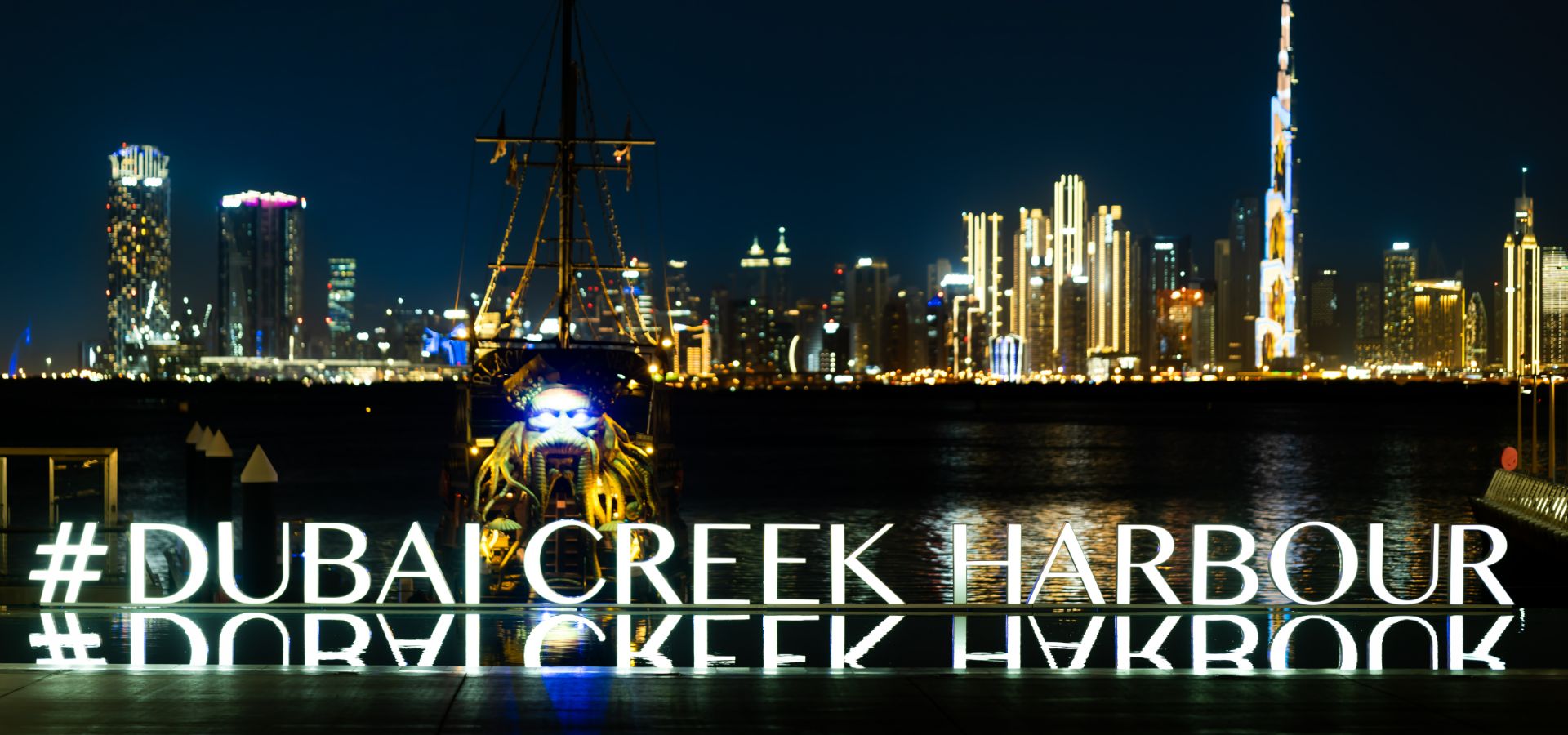
For current residents, understanding the significance of Dubai Creek can enrich your appreciation of the city’s evolution. Engage with local community events or participate in cultural festivals held along the creek, which bring together diverse communities. Furthermore, consider how the development around the creek, including the Dubai Creek Harbour project, aims to blend modern living with historical roots, illustrating the city’s commitment to preserving its heritage while embracing the future.
Getting There
Visiting Dubai Creek is straightforward, utilizing the city’s efficient transportation network. Whether you plan a brief visit or a full day exploration, residents have multiple reliable options to reach this cultural hub without the hassle of traffic or parking.
To access Dubai Creek, consider the following methods:
- The Dubai Metro provides direct access via Al Ras or Al Ghubaiba stations, both conveniently situated near the Creek. This option is ideal for those looking to avoid traffic congestion.
- RTA buses are another effective means of transport, connecting various neighborhoods in Dubai, including Bur Dubai and Deira, directly to the Creek area. Check the RTA website for updated routes and schedules.
- For those who prefer to drive, parking is available near popular areas such as Al Fahidi and Deira. While some spots are free, others offer affordable paid options, making it a viable choice for families or groups.
- Taxis and ride-hailing services like Careem and Uber provide convenient door-to-door transport, eliminating concerns about parking and navigation.
With these well-established options, reaching Dubai Creek is efficient, allowing you to start your cultural exploration with ease. For the latest public transport updates and parking information, refer to the official RTA website.
Riding the Abra: Dubai’s Iconic Water Taxi
Experience Dubai Creek through the abra, a traditional wooden water taxi that offers a unique perspective of the city’s landscape. For residents and newcomers alike, taking an abra is not just a mode of transport; it’s a connection to Dubai’s rich history as a trading hub.
The abra service has been operational for over a century, originally serving as the primary means for residents and merchants to navigate the creek. Today, a ride on an abra provides an escape from the bustling roads and metro systems, allowing you to enjoy a moment of tranquility amidst the urban environment. As you glide across the water, you’ll witness a juxtaposition of old and new Dubai; the vibrant souks of Deira contrast with the modern skyscrapers of Dubai’s financial district in DIFC.
For a practical experience, you can catch an abra from several designated stations, such as the Al Seef station near Dubai Creek or the Bur Dubai Abras Station. The fare is minimal, typically around AED 1, making it an economical choice compared to taxi services. While the journey lasts about 10 minutes, it offers a shared experience with locals and tourists, enhancing community connection and cultural exchange.
For residents, understanding the abra service can be beneficial for planning outings or daily commutes, especially if you live in areas like Al Jaddaf or Dubai Marina, where the waterway provides a scenic route to key locations such as the Dubai Mall or the historic Al Fahidi District.
Next time you need to traverse Dubai Creek, consider the abra for a refreshing and historically rich journey that highlights the city’s evolution from a modest trading post to a global metropolis.
Al Fahidi Historical Neighbourhood (Bur Dubai Side)
Exploring the Al Fahidi Historical Neighbourhood offers Dubai residents a unique opportunity to delve into the city’s cultural heritage. Key sites like the Dubai Museum and the Sheikh Mohammed Centre for Cultural Understanding provide insights into Dubai’s transformation from a fishing village to a global metropolis. This area is essential for both newcomers seeking to understand the city and established residents looking to reconnect with its historical roots.
The Dubai Museum, located in the Al Fahidi Fort, showcases artifacts and exhibits that chronicle Dubai’s evolution, making it a must-visit for those interested in the emirate’s history. The Sheikh Mohammed Centre for Cultural Understanding, situated nearby, offers guided tours and cultural meals that promote understanding of Emirati traditions and customs. These experiences are invaluable for new residents wanting to integrate into Dubai’s diverse society.
For current residents, engaging with the community in the Al Fahidi Historical Neighbourhood can enhance your appreciation of Dubai’s rich tapestry. The area frequently hosts cultural events and workshops, making it a vibrant hub for cultural exchange. This neighborhood not only enriches your understanding of local heritage but also fosters connections with other residents who share a passion for history and culture.
Must-Visit Museums & Cultural Sites
Explore Al Fahidi Historical Neighbourhood in Bur Dubai for a deeper understanding of Dubai’s rich cultural heritage. Key attractions include the Dubai Museum, which is housed in the Al Fahidi Fort, offering insights into the emirate’s history. The Coin Museum presents a unique collection of rare coins, providing an unexpected yet fascinating perspective on currency and commerce in the region. For those eager to engage with local traditions, the Sheikh Mohammed Centre for Cultural Understanding provides educational programs and cultural experiences designed to foster community ties.
Residents and newcomers alike can enjoy the nearby art cafés, where the atmosphere is infused with creativity and local culture. These establishments not only serve coffee but also host art exhibitions and cultural events, making them ideal spots to connect with the community. Regular events at these cafés can enhance your understanding of the local art scene, allowing you to appreciate the stories that define life in Dubai.
For those considering a visit, the Al Fahidi Historical Neighbourhood is easily accessible via public transportation, with the Al Fahidi Metro Station nearby. Exploring this area not only enriches your knowledge of Dubai’s past but also strengthens your connection to the present community. As a practical tip, visiting during the cooler months can enhance your experience, allowing you to enjoy leisurely walks through the historical streets without the discomfort of summer heat.
Dubai Museum (Al Fahidi Fort)
Few attractions embody the essence of historical Dubai as effectively as the Dubai Museum, located within the Al Fahidi Fort. This site offers residents and newcomers a comprehensive look into the emirate’s rich heritage through engaging exhibits and artifacts. Visitors can expect to explore traditional Emirati life scenes, ancient weaponry, displays on pearl diving, and the well-preserved architecture of the fort itself. Notably, this experience provides a glimpse into the cultural roots of Dubai, making it an essential stop for anyone interested in the city’s evolution.
The museum’s exhibitions are designed to cater to various interests. For those keen on Emirati culture, the traditional life scenes vividly depict daily activities, crafts, and customs that have shaped the community. The ancient weaponry collection showcases artifacts that highlight historical conflicts and defense strategies, emphasizing the fort’s role in safeguarding Dubai. Furthermore, the pearl diving displays reflect a crucial aspect of the region’s economy before the oil boom, illustrating the significance of this industry in shaping modern Dubai.
Al Fahidi Fort, the oldest existing building in Dubai, offers a unique architectural perspective. Its restoration has maintained the integrity of traditional Emirati design, providing insights into historical construction techniques. The fort’s location in the Al Fahidi district, known for its preserved heritage buildings, complements the museum experience, allowing visitors to explore the surrounding area filled with art galleries and cultural spaces.
For residents, the Dubai Museum serves as a reminder of the city’s rapid transformation and cultural depth. It’s advisable to visit during weekdays to avoid crowds and take advantage of guided tours available in multiple languages, which enrich the experience with detailed narratives about the exhibits. Engaging with local guides can also provide deeper insights into the historical context of artifacts, enhancing the educational value of your visit.
Coin Museum
Explore Dubai’s Coin Museum for a unique glimpse into the evolution of currency and trade in the region. Located near Al Fahidi Fort, this museum showcases ancient coins from various historical periods, providing context for the economic and cultural exchanges that shaped Dubai.
The Coin Museum is a valuable resource for both newcomers and established residents interested in Dubai’s heritage. It highlights the significance of trade in the city’s history, illustrating how currency has evolved alongside its diverse population. For those engaged in coin collecting, the exhibits bring to life the stories behind each piece, enriching the experience.
In addition to the Coin Museum, consider visiting other cultural landmarks in Dubai, such as the Dubai Museum and the Dubai Frame, which also offer insights into the city’s past. Each site complements the narrative of Dubai’s rapid development and its role as a trading hub. For practical information, check the official Dubai Culture website or local media sources for current exhibition details and visiting hours. Whether you’re a resident seeking deeper knowledge or a newcomer eager to understand Dubai’s history, the Coin Museum provides a fascinating educational experience.
Sheikh Mohammed Centre for Cultural Understanding (SMCCU)
The Sheikh Mohammed Centre for Cultural Understanding (SMCCU) is a vital resource for Dubai residents eager to immerse themselves in local heritage. Located just a short walk from the Coin Museum, SMCCU offers Cultural Workshops and Heritage Tours that provide practical insights into Emirati customs and traditions.
Participants can learn about local customs, which are essential for integrating into Dubai’s diverse society. The workshops include tastings of traditional Emirati food, allowing residents to explore the culinary landscape that reflects the UAE’s history and cultural influences. Additionally, Q&A sessions foster engagement, providing a platform for residents to clarify their understanding of various cultural practices and social norms.
One of the unique aspects of SMCCU is its emphasis on authentic hospitality, a cornerstone of Emirati culture. Engaging with locals in this setting not only enhances cultural knowledge but also builds community ties, essential for both newcomers and long-term residents seeking deeper connections in Dubai.
For residents, attending these workshops is more than just an educational experience; it is a step toward enriching one’s life in a multicultural city. This commitment to cultural understanding is particularly relevant in communities like Al Fahidi and Jumeirah, where the blend of heritage and modernity is most pronounced.
Art & Cafés
Exploring Al Fahidi’s winding alleys offers a unique blend of art and café culture that reflects Dubai’s rich heritage and modern creativity. For residents and newcomers alike, this area provides a vibrant atmosphere where local art flourishes and inviting cafés foster community connections.
Art Galleries in Al Fahidi highlight Dubai’s local talent and diverse artistic expressions. Notable spots include the Arabian Art House, which features traditional and contemporary works, and XVA Gallery, known for its focus on Middle Eastern art. Majlis Gallery showcases a rotating selection of exhibitions, while The Courtyard offers a collaborative space for artists. Leila Heller stands out for its international exhibitions that engage local and global audiences. These galleries not only support artists but also serve as cultural touchpoints for residents looking to deepen their appreciation of the arts.
Café culture in Al Fahidi complements this artistic landscape, providing spaces for relaxation and social interaction. The Arabian Tea House is famous for its authentic Emirati experience, while the Coffee Museum Café appeals to coffee aficionados with its extensive collection of brews and knowledgeable staff. Wild & The Moon Café prioritizes health-conscious offerings, making it a popular choice among wellness enthusiasts. Al Fanar Café serves traditional Emirati dishes in a nostalgic setting, and local street cafés provide a more casual dining experience, perfect for everyday gatherings.
For residents, frequenting these establishments can enhance both social life and cultural understanding in Dubai. Engaging with local art and café culture not only enriches personal experiences but also contributes to the broader community narrative. Exploring these spaces is a practical way to connect with Dubai’s evolving identity while supporting local talent.
The Deira Side: Souks & Spices
Deira’s Perfume and Textile Souks offer an immersive experience into Dubai’s vibrant trading history, characterized by rich scents and colorful fabrics. A stroll through these bustling markets not only highlights the city’s cultural heritage but also provides practical insights into local shopping dynamics. The adjacent waterfront, where traditional dhows contrast with modern architecture, presents an opportunity for a unique perspective of the city. For those looking to explore Dubai from a different angle, a dhow cruise along the creek is a recommended option, allowing residents to appreciate the cityscape from the water.
The Perfume Souk, located near the Al Ras Metro Station, features a wide array of fragrance shops, including well-known local brands like Ajmal and Swiss Arabian. Residents can engage with knowledgeable vendors to create custom scents, making it a practical stop for gifting or personal use. Meanwhile, the Textile Souk, situated in close proximity, showcases a variety of fabrics ranging from silks to cottons, catering to both personal projects and professional needs.
Booking a dhow cruise is straightforward and can be done through several local operators, such as Bateaux Dubai or the Dubai Creek Cruise. These cruises often provide dinner options and guided tours that enhance the experience. Prices typically range from AED 100 to AED 300 per person, depending on the package selected, making it a versatile choice for both newcomers and long-term residents seeking leisure activities on the water.
Engaging with these local markets and experiences allows residents to foster a deeper connection with Dubai’s rich tapestry of cultures while enjoying practical benefits in terms of shopping and leisure activities.
The Perfume Souk & Textile Souk
The Perfume Souk and Textile Souk in Deira are essential destinations for both newcomers and long-term residents of Dubai, offering a rich tapestry of local culture and crafts. These souks not only showcase traditional perfume-making techniques and textile artistry but also provide an authentic insight into Dubai’s heritage. Visiting these markets presents an opportunity to explore unique products and engage with knowledgeable vendors.
At the Perfume Souk, you’ll find an array of handcrafted oud and attar oils, with vendors often willing to share the stories and ingredients behind each scent. This experience allows you to appreciate the nuances of local fragrances, which often incorporate regional botanicals. For those looking to explore further, the souk is conveniently located near the Al Ghurair Centre, making it easily accessible for residents in Deira.
The Textile Souk complements this olfactory journey with its vibrant display of fabrics. Here, you can discover colorful bolts of silk, cotton, and intricately embroidered materials, ideal for personal projects or home decor. Engaging with local artisans provides insights into the textile traditions of the UAE, making it a valuable stop for those interested in the cultural significance of these crafts.
Navigating these markets is straightforward; simply stroll through the narrow lanes, where you’ll encounter friendly vendors eager to share their expertise. This lively atmosphere juxtaposes the historical essence of Deira with modern retail experiences, allowing residents to reconnect with Dubai’s rich cultural narrative.
For practical insights, visit during weekday mornings to avoid crowds and engage more deeply with vendors. Additionally, consider exploring the nearby Gold Souk for a broader experience of Deira’s market offerings.
As a long-term resident, I recommend these souks not just for the products but for the authentic experience they provide, enriching your understanding of life in Dubai.
Deira’s Waterfront
Deira’s waterfront is a dynamic hub that embodies the essence of old Dubai. For residents and newcomers alike, engaging with this area offers a unique opportunity to experience the city’s rich maritime heritage alongside its bustling markets. Visitors can observe traditional dhows at the docks, while local fishermen maintain age-old practices, providing a real-time glimpse into the livelihoods that have shaped this community.
As you walk along the waterfront, consider participating in activities such as watching the daily operations of fishermen or exploring the spice and date vendors, who display the region’s culinary traditions. The scent of cardamom and saffron permeates the air, serving as a reminder of the diverse cultural influences that define Deira. These experiences not only enhance your understanding of Dubai’s history but also connect you to the vibrant daily life that continues to thrive in this area.
For those living in or near Deira, the waterfront serves as a convenient point for both relaxation and exploration. It is a short distance from key attractions such as the Perfume Souk and the Textile Souk, making it an ideal stop for anyone looking to immerse themselves in the local culture. Furthermore, the proximity to major transport hubs like the Al Ras Metro Station enhances accessibility for residents commuting to other parts of the city, such as Dubai Marina or Downtown Dubai.
Book Dhow Cruise
Experience a dhow cruise on Dubai Creek to immerse yourself in the city’s maritime heritage while enjoying views of Deira’s vibrant souks and spice markets. Opting for an evening cruise not only provides cooler temperatures but also a chance to admire the stunning sunset reflecting on the water. This journey allows you to glide past historic landmarks, with the Deira waterfront illuminated by the night sky.
Booking a dhow cruise offers several advantages for residents:
- View Local Attractions: Witness the bustling spice souks and the traditional markets along Dubai Creek directly from the water.
- Onboard Refreshments: Enjoy a selection of traditional snacks and beverages available during the cruise, enhancing your local experience.
- Cultural Entertainment: Many cruises feature live music or performances that showcase Dubai’s rich cultural tapestry.
- Photography Opportunities: Capture the enchanting scenery of Dubai Creek at dusk, perfect for sharing your experiences with friends and family.
As a long-term Dubai resident, I can attest that a dhow cruise is a unique way to unwind after a hectic week, offering both relaxation and a deeper appreciation of the city’s heritage. For those living in nearby communities like Al Rigga or Al Muraqqabat, accessing the cruise departure points is convenient, making it an ideal local outing.
For more details on booking, refer to local tourism resources or platforms like Dubai Tourism or reputable travel agencies. Consider checking reviews to compare different cruise providers on factors like service quality and onboard offerings.
The Perfect Half-Day Itinerary
Exploring Dubai Creek offers residents a chance to reconnect with the city’s historical roots and cultural heritage in just a few hours. A practical half-day itinerary includes crossing the Creek on an abra, visiting the historic Al Fahidi district, experiencing the Dubai Museum, and enjoying local cuisine—all within easy reach for Dubai residents.
Begin your journey at Dubai Creek by taking an abra, the traditional wooden boat, which is not just a mode of transport but a connection to Dubai’s trading history. This short ride, operated by the Dubai Roads and Transport Authority, costs only AED 1, making it an affordable option for residents. Once across, head to the Al Fahidi district, where the narrow lanes lined with preserved buildings and wind towers offer a glimpse into Dubai’s architectural past before the rise of modern skyscrapers.
Start your Dubai Creek adventure with a traditional abra ride to historic Al Fahidi’s preserved architecture.
In Al Fahidi, make time to visit the Dubai Museum located in the Al Fahidi Fort, which provides an engaging narrative of Dubai’s evolution from a fishing village to a global metropolis. The museum’s exhibits include artifacts and dioramas that illustrate daily life in the emirate across different eras, making it a valuable stop for both newcomers and long-term residents seeking deeper knowledge of Dubai’s heritage. Admission to the museum is AED 3, an economical investment in understanding your city.
Conclude your exploration with a meal at a local café, such as the Arabian Tea House, where you can enjoy traditional Emirati dishes and beverages. This dining experience not only provides a taste of local flavors but also supports small businesses that contribute to Dubai’s cultural tapestry. Restaurants like this often feature dishes that reflect Dubai’s diverse culinary influences, making them perfect spots for residents to savor their city’s legacy.
This itinerary allows Dubai residents to immerse themselves in the city’s rich history, offering a blend of cultural experiences, practical insights, and the opportunity to support local enterprises—all in just a few hours.
Beyond the Creek: Nearby Attractions
Exploring Al Seef, the Dubai Frame, and the Bastakiya Quarter offers residents and newcomers an enriching experience of Dubai’s blend of history and modernity. Each location provides unique insights into the city’s evolution, making them essential visits for understanding life in Dubai.
Al Seef seamlessly integrates Dubai’s heritage with contemporary amenities along the Dubai Creek. This vibrant waterfront destination features a mix of dining, shopping, and cultural experiences, ideal for a leisurely day out. Notable brands such as the Dubai Culture & Arts Authority frequently host events here, enhancing community engagement.
Just a short distance away, the Dubai Frame serves as an architectural marvel that showcases the city’s past and future. From its observation deck, you can view both the historic areas like Deira and the modern skyline of Downtown Dubai. This vantage point not only highlights the dramatic transformation of the city but also offers insights into urban planning and development trends in Dubai, making it a valuable stop for anyone interested in the region’s growth.
The Bastakiya Quarter, also known as Al Fahidi Historical Neighborhood, transports visitors back to Dubai’s early days through its narrow lanes and traditional wind-tower architecture. This area is home to art galleries, museums, and cafes, providing a serene contrast to the bustling city life. For residents, it’s a prime location for cultural events and exhibitions, facilitating a deeper understanding of Emirati heritage.
Al Seef
Al Seef, located along Dubai Creek, seamlessly combines traditional Emirati culture with modern amenities, making it a prime destination for both long-time residents and newcomers. The waterfront promenade invites visitors to explore a variety of local artisan shops, dining options, and cultural events, contributing to a vibrant community atmosphere.
The Al Seef waterfront stretches over 1.8 kilometers, offering a scenic pathway that connects the historic charm of Dubai with contemporary urban life. As you walk, you will encounter traditional architecture alongside modern retail spaces, creating a unique blend that highlights Dubai’s rich heritage while catering to contemporary tastes.
Dining at Al Seef provides a diverse culinary experience. Restaurants feature local Emirati cuisine alongside international dishes, catering to various dietary preferences. Notable establishments include Al Fanar Restaurant & Cafe, known for its traditional Emirati fare, and more contemporary options like the Italian-inspired Trattoria Toscana. This variety ensures that every resident can find a meal that satisfies their cravings.
Artisan shops in Al Seef highlight local craftsmanship, offering genuine Emirati products, textiles, and souvenirs. These shops not only support local artisans but also provide residents with unique items that reflect Dubai’s cultural heritage. Engaging with these artisans offers insights into the traditional practices that shape the community.
For families, Al Seef presents numerous scenic spots perfect for photography, making it an ideal location for creating lasting memories. The area frequently hosts cultural events that celebrate Dubai’s history, such as art exhibitions and heritage festivals. These events provide valuable opportunities for residents to engage with their community and learn more about the rich cultural landscape of Dubai.
Dubai Frame
Exploring the Dubai Frame provides a unique opportunity for residents to witness the city’s juxtaposition of tradition and modernity. This landmark, comprising two towering golden frames connected by a glass bridge, offers expansive views of both historic and contemporary Dubai, making it an essential visit for anyone wanting to understand the city’s evolution.
The Dubai Frame is strategically located in Zabeel Park, easily accessible from various communities such as Al Wasl and Jumeirah. Its design symbolizes the link between old Dubai, represented by the charming buildings and souks along Dubai Creek, and new Dubai, characterized by its impressive skyline and modern architecture. This visual contrast can be observed from the Frame’s observation deck, where you can appreciate how the city has transformed over the years.
For those considering a visit, purchasing tickets online in advance is advisable to avoid long queues, especially during weekends and holidays. The experience is enhanced by the glass floor, which provides a thrilling view of the ground below and exemplifies Dubai’s rapid development. As a resident, stepping onto this glass panel can evoke a sense of pride in the city’s journey from a small trading port to a global metropolis.
If you’re interested in the cultural significance of the Dubai Frame, it is essential to note that it serves as a bridge between two eras—highlighting Dubai’s rich heritage while showcasing its ambitious future. This duality makes the Dubai Frame not just a tourist attraction but a vital part of the city’s narrative.
Bastakiya Quarter
Stepping into the Bastakiya Quarter in Dubai offers residents a glimpse into the city’s rich heritage, contrasting sharply with the modern skyline. This historical district, characterized by its unique wind-tower architecture and winding alleys, serves as a living museum of old Dubai, showcasing how life was before urbanization took hold. For both newcomers and long-term residents, exploring Bastakiya is essential.
The Dubai Museum, located within Al Fahidi Fort, provides an in-depth look at the region’s history, featuring artifacts and exhibits that illuminate the cultural evolution of Dubai. Al Fahidi Fort itself, one of the oldest structures in the city, boasts impressive walls and fortifications, offering insights into the defensive strategies of past eras.
Art enthusiasts can explore numerous galleries housed in restored courtyard residences, where contemporary and traditional art intermingle, fostering a vibrant cultural scene. Quaint cafés scattered throughout the area invite you to unwind, enjoying the ambiance while sampling local cuisine.
For those seeking a tranquil escape from the hustle of Dubai’s urban life, Bastakiya serves as a serene retreat, rich with historical significance. It embodies a connection to the past, making it a valuable destination for residents looking to deepen their understanding of Dubai’s roots amid its rapid expansion.
In addition to its cultural offerings, Bastakiya is strategically located near other key areas such as the Dubai Creek and the Al Seef district, which enhance its accessibility and appeal. Visitors can easily extend their exploration to these nearby attractions, further enriching their experience of Dubai’s multifaceted history.