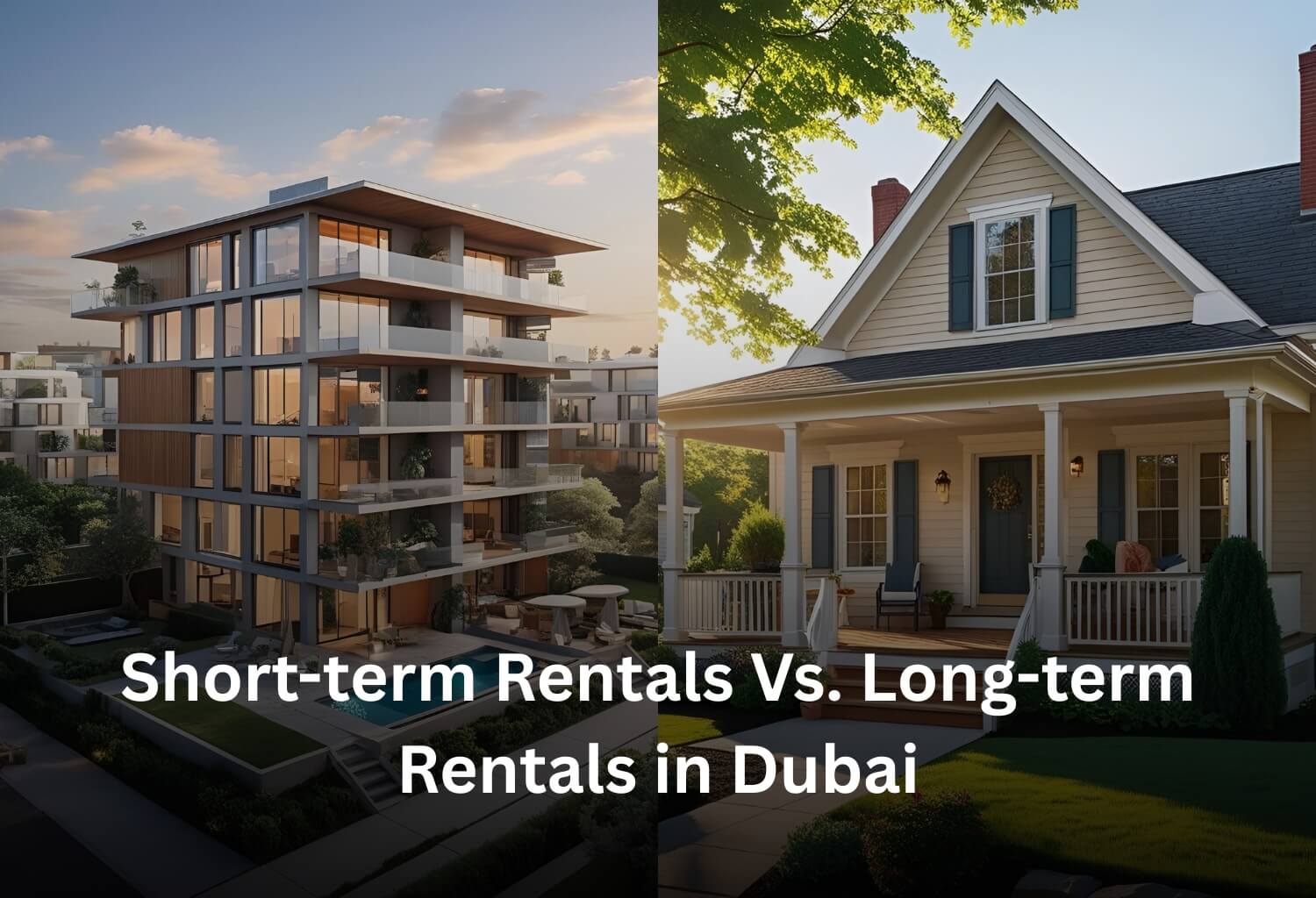
Choosing between short-term and long-term rentals in Dubai is a critical decision for both newcomers and established residents. Short-term rentals offer flexibility, allowing residents to explore various neighborhoods or accommodate guests without a long-term commitment. In contrast, long-term rentals provide stability and potential cost savings, making them an attractive option for those looking to settle down. Understanding the nuances of each choice is essential for aligning your living situation with your lifestyle needs.
Short-Term Rentals Overview
Short-term rentals in Dubai cater primarily to tourists and transient residents. They often include furnished apartments in popular areas such as Dubai Marina, Jumeirah Beach Residence (JBR), and Downtown Dubai. These properties typically allow stays from a few days to several months and are managed by platforms such as Airbnb and Booking.com.
While they offer the benefit of flexibility and the chance to experience different communities, the costs can add up quickly, especially during peak seasons.
Long-Term Rentals Overview
Long-term rentals, generally defined as leases lasting six months or more, are prevalent in areas like Dubai Silicon Oasis, Arabian Ranches, and Jumeirah Village Circle. These rentals often come unfurnished, requiring tenants to invest in furniture and decor.
However, they typically offer more favorable rental rates compared to short-term options, with the potential for lower utility costs and more stable living conditions. Residents can negotiate lease terms and secure a fixed rental price for the duration of their contract, minimizing the impact of potential market fluctuations.
Cost Considerations
When comparing the two options, cost is a significant factor. Short-term rentals usually include utility costs and cleaning fees, which can make them more expensive on a per-night basis.
For example, a one-bedroom apartment in Dubai Marina can range from AED 800 to AED 1,500 per night during peak tourist seasons. In contrast, long-term rentals in the same area may cost between AED 80,000 and AED 120,000 annually, translating to more manageable monthly payments and predictable expenses.
Community and Lifestyle Impact
The choice between short-term and long-term rentals also affects your community engagement. Long-term residents often experience greater integration within their neighborhoods, attending local events and building relationships with neighbors.
In contrast, short-term rentals may lead to a more transient lifestyle, with less opportunity for community involvement. Areas like Al Quoz and Deira offer a vibrant blend of local culture and convenience for long-term residents, while short-term rentals in tourist hotspots may lack this community feel.
Conclusion
Ultimately, the decision between short-term and long-term rentals in Dubai hinges on your personal lifestyle, financial capacity, and housing stability preferences. Assess your priorities—whether it’s flexibility, cost-efficiency, or community engagement—before making a choice.
For detailed rental regulations and market data, refer to the Dubai Land Department and local real estate agencies to ensure a well-informed decision that aligns with your needs.
What Is a Short-Term Rental?
Short-term rentals in Dubai offer flexibility and convenience for stays ranging from one night to six months. Ideal for newcomers, business travelers, and those in transition, these fully furnished accommodations eliminate the hassle of setting up utilities or purchasing furniture. With costs that vary based on demand, savvy renters may find attractive deals during off-peak periods.
Flexible, fully furnished stays from one night to six months—perfect for newcomers and business travelers in Dubai.
In Dubai, short-term rentals are predominantly utilized by tourists, digital nomads, and property investors seeking higher rental yields. Popular areas for such rentals include Dubai Marina, Downtown Dubai, and Jumeirah Beach Residence, where proximity to amenities and attractions enhances the appeal. These rentals are particularly advantageous for individuals needing immediate housing solutions without long-term commitments.
It’s important to note that short-term rentals in Dubai are regulated by the Department of Tourism and Commerce Marketing (DTCM), which requires property owners to obtain a permit. This regulation ensures that renters are protected and that properties meet specific standards. For residents, understanding the local rental landscape can aid in making informed housing choices, especially when comparing short-term options against traditional leases.
For newcomers, the process of securing a short-term rental typically involves browsing platforms like Airbnb or local property management services, which can streamline your search. Current residents may benefit from exploring the pros and cons of these rentals, such as flexibility versus potential higher costs compared to long-term leases. Balancing your needs and preferences will ultimately guide you to the right choice in Dubai’s dynamic rental market.
What Is a Long-Term Rental?
A long-term rental in Dubai typically involves signing a lease for 12 months or more, offering a stable living arrangement for residents. This arrangement provides various advantages, including predictable rent payments and reduced instances of price fluctuations. Long-term rentals foster stronger relationships with landlords, allowing tenants to negotiate favorable terms over time. Unlike short-term accommodations, such as serviced apartments, long-term renters avoid frequent relocations and the stress of searching for new properties on a regular basis.
Long-term rentals in communities like Dubai Marina, Jumeirah Lake Towers (JLT), or Arabian Ranches also come with legal protections that enhance tenant security. According to the Dubai Rental Law, tenants have the right to renew their leases under the same terms unless a landlord has just cause for termination. This stability enables residents to integrate into neighborhoods, build friendships, and engage with local amenities, enhancing the overall experience of living in Dubai.
For newcomers, starting the process involves researching areas that align with your lifestyle and budget, exploring platforms like Property Finder and Dubizzle for listings, and understanding the typical lease requirements, including deposits and documentation. Current residents may find it beneficial to compare rental prices and amenities in different neighborhoods, such as Downtown Dubai versus Dubai Silicon Oasis, to make informed renewal decisions.
Key Differences Between Short-Term and Long-Term Rentals
Navigating Dubai’s rental market reveals two distinct options: short-term and long-term rentals. Each caters to different lifestyle needs, with short-term rentals offering flexibility for transient living and long-term rentals providing stability for those seeking a permanent home. Understanding the nuances of these rental types can greatly enhance your living experience in Dubai.
Short-term rentals in Dubai typically range from one night to six months. They are ideal for tourists and business travelers who require immediate accommodations. These properties are often fully furnished and include utilities, making them a hassle-free option for newcomers. Notable areas for short-term rentals include Dubai Marina and Downtown Dubai, where luxury apartments and serviced hotels abound.
In contrast, long-term rentals usually entail leases of one year or more, catering primarily to families and residents seeking a stable living environment. These rentals may not always include utilities and are often unfurnished, allowing tenants the flexibility to personalize their spaces. Popular neighborhoods for long-term rentals include Jumeirah, Arabian Ranches, and Al Barsha, where residents can find more spacious homes at comparatively lower monthly costs.
When considering your housing options, it’s critical to evaluate your lifestyle needs. Short-term rentals provide convenience but may come with a higher price per month, while long-term rentals offer financial savings but require a commitment. For more information on rental regulations and market trends, refer to the Dubai Land Department’s guidelines and local real estate platforms like Property Finder or Bayut.
Pros & Cons of Short-Term Rentals in Dubai
Entering the short-term rental market in Dubai presents both lucrative opportunities and significant challenges. Short-term rentals can yield higher income, especially in prime locations like Downtown Dubai and Dubai Marina, where tourism and business travel drive demand. However, the volatility of the rental market means income can fluctuate, particularly during off-peak periods.
Managing a short-term rental entails more than just listing your property; it involves frequent tenant turnover, consistent cleaning, and ongoing maintenance. Property owners can either undertake these tasks themselves or engage property management services, which can be found in various communities across the emirate. Additionally, compliance with the Dubai Tourism and Commerce Marketing (DTCM) licensing regulations is mandatory, requiring careful attention to legal obligations and paperwork.
For newcomers considering this venture, it is crucial to research local regulations and market dynamics comprehensively. Established residents should weigh the benefits of higher returns against the operational demands of short-term rentals. Engaging with local real estate forums and networking with fellow landlords can provide valuable insights into best practices and market trends. Understanding the nuances of the rental landscape in Dubai will ultimately determine the success of your investment in this competitive environment.
When To Choose Short-Term Rentals in Dubai
Short-term rentals in Dubai can provide a lucrative avenue for property investment, especially in sought-after areas like Downtown Dubai and Dubai Marina, which consistently attract tourists and business travelers. This strategy allows property owners to maximize rental yields by capitalizing on peak demand periods, while also enjoying flexibility for personal use between bookings.
To effectively implement short-term rentals, consider the following factors:
- Market Trends and Location: Areas such as Dubai Marina and Downtown are favored for their proximity to attractions like the Burj Khalifa and the Dubai Mall. These regions tend to have high occupancy rates year-round, making them ideal for short-term rental strategies.
- Management Options: Investors can choose between active management or hiring property management services. Companies like Airsorted or GuestReady specialize in managing short-term rentals, ensuring smooth operations and compliance with Dubai’s rental regulations.
- Income Variability: Short-term rentals can generate variable income that aligns with Dubai’s fluctuating hospitality scene. However, they require consistent effort in terms of maintenance, guest communication, and marketing.
- Regulatory Compliance: Familiarize yourself with local laws governing short-term rentals. The Dubai Tourism Department mandates that all short-term rental properties be registered. Understanding these regulations can help avoid penalties and ensure a seamless rental experience.
For newcomers, it’s essential to weigh the benefits of short-term rentals against the responsibilities they entail. Current residents may find that this investment strategy aligns well with their lifestyle, allowing for personal enjoyment of the property while generating additional income.
Pros & Cons of Long-Term Rentals in Dubai
Long-term rentals in Dubai offer property owners a pathway to consistent income and reduced management burdens, particularly beneficial for those seeking stability without the frequent turnover associated with short-term leasing. With fixed contracts in place, landlords can establish lasting tenant relationships, thereby mitigating vacancy risks. However, it is essential to consider the implications of annual rent caps and the potential for delays in rental payments.
Here’s a detailed overview of the advantages and disadvantages:
| Pros | Cons | Notes |
|---|---|---|
| Reliable income | Annual rent caps | Predictable cash flow |
| Reduced management | Limited flexibility | Less hands-on property oversight |
| Strong tenant relationships | Potential for vacancy periods | Good tenant screening is crucial |
For newcomers to Dubai, understanding the rental market is vital. Areas such as Dubai Marina, Jumeirah Lake Towers, and Downtown Dubai are popular for long-term rentals. These neighborhoods not only offer vibrant community life but also attract consistent tenant demand due to their proximity to key amenities like shopping malls (e.g., The Dubai Mall) and business hubs.
Current residents should note that while the Real Estate Regulatory Agency (RERA) imposes restrictions on rent increases, effective tenant screening can significantly reduce the risk of vacancies. Building a rapport with tenants often leads to longer stays and fewer disputes, ultimately enhancing your rental experience.
In my experience living in Dubai, fostering strong tenant relationships has proven beneficial in creating a seamless rental process. If you value steady income without the constant need to find new tenants, long-term rentals may align well with your investment strategy in this dynamic city.
When To Choose Long-Term Rentals in Dubai
Opting for long-term rentals in Dubai offers a strategic approach to property investment, ensuring consistent income and reducing the complexities associated with frequent tenant changes. This model promotes tenant stability, leading to fewer vacancies and a more predictable cash flow. Additionally, long-term rentals typically involve lower management demands and a simplified property maintenance routine.
Consider long-term rentals if:
- You seek a stable monthly income that remains consistent throughout the year, devoid of the fluctuations common in short-term rentals.
- You aim to minimize the administrative tasks and costs associated with high tenant turnover.
- You appreciate the security of tenant stability, reinforced by Dubai’s robust tenancy laws, which protect both landlords and tenants.
As someone who has navigated the rental landscape in Dubai, I can attest that having long-term tenants significantly reduces stress. It alleviates concerns over constant tenant changes or unexpected vacancies, making it a viable option for those pursuing steady returns while maintaining a straightforward investment strategy. Long-term rentals not only provide peace of mind but also ensure financial consistency.
For those considering areas to invest in long-term rentals, locations like Dubai Marina, Jumeirah Lake Towers, and Downtown Dubai are popular among expatriates and offer strong demand for residential leases. Be sure to familiarize yourself with the Dubai Rental Law, which outlines the rights and responsibilities of both landlords and tenants, ensuring a fair rental process. Resources like the Dubai Land Department can offer further insights into regulations and market trends.
Legal Guidelines for Rentals in Dubai
Navigating Dubai’s rental laws requires a solid understanding of the distinctions between short-term and long-term leases. Short-term rentals necessitate compliance with strict licensing regulations enforced by the Department of Economy and Tourism (DET), which mandates that properties must be officially licensed to operate. In contrast, long-term rentals must be registered through Ejari, which ensures that your tenancy contract is legally recognized and falls under the protections provided by the Real Estate Regulatory Agency (RERA).
Familiarizing yourself with tenant rights is crucial. For instance, the law stipulates specific procedures for eviction notices and establishes limits on rent increases, safeguarding both tenants and landlords. Whether you manage your property independently or enlist the services of a property management company, adherence to these regulations is vital to avoid potential disputes or fines. Drawing from my experience as a long-term resident in Dubai, being well-informed about these legal requirements not only reduces stress but also facilitates a seamless rental journey.
For newcomers, it’s advisable to consult the official RERA guidelines and various local resources to understand the nuances of both rental types. Current residents may benefit from comparing the management services offered by local firms, particularly in areas like Dubai Marina or Jumeirah, where rental markets can differ significantly. By being proactive and informed, you can enhance your rental experience in Dubai.
Which Option Is Best for You?
Understanding whether to choose short-term or long-term rentals in Dubai requires a nuanced approach based on your investment goals and lifestyle preferences. The decision hinges on your target tenant profile and the level of management you are prepared to undertake.
Short-term rentals, popular in areas like Dubai Marina and Downtown Dubai, offer the potential for higher income but come with increased management responsibilities due to frequent tenant turnover. Platforms like Airbnb dominate this segment, attracting tourists and business travelers looking for flexible lodging options. However, maintaining these rentals demands more time and effort, including regular cleaning and rapid response to tenant inquiries.
In contrast, long-term rentals are ideal for landlords seeking stability and predictable cash flow. This approach generally attracts families and professionals seeking residences in established communities such as Jumeirah or Arabian Ranches. Long-term leases often involve less day-to-day management, allowing landlords to benefit from steady income with minimal effort.
Consider the following factors when evaluating your rental strategy:
- Flexibility vs. Stability: Short-term rentals can yield higher returns but require active management. Long-term rentals provide consistent income with lower involvement.
- Tenant Preferences: Determine your target audience. If you prefer long-term tenants, focus on family-friendly areas. For transient guests, consider locations near major attractions.
- Time Commitment: Assess how much time you can dedicate to property management. Short-term rentals require frequent maintenance and tenant turnover, while long-term options typically need less frequent intervention.
For those who prioritize a hands-off investment with reliable returns, long-term rentals may be the better choice. Conversely, if you are willing to engage more actively and seek potentially higher yields, short-term rentals could align more closely with your objectives. Ultimately, aligning your rental strategy with your lifestyle and investment aspirations is crucial for success in Dubai’s dynamic rental market.
For further insights, consult resources like the Dubai Land Department’s official guidelines on rental regulations and market trends to make an informed decision.